25-Wed-Nov-2026


|
 Author :
Dr. Sheikh Jeelani
/
BNYS | FTECH
A tumour is one of the most commonly misunderstood medical terms. Many people instantly associate it with cancer, but not all tumours are cancerous. In fact, tumours can be benign (non-cancerous), malignant (cancerous), or even precancerous. Understanding the nature of tumours, their causes, symptoms, and treatment options is essential for awareness and timely medical care.
What is a Tumour?
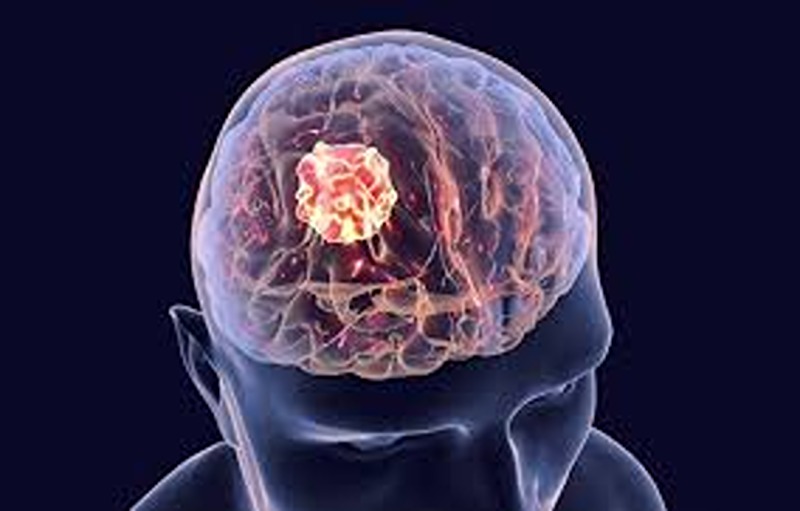
A tumour is an abnormal growth of cells in the body. Normally, our cells grow, divide, and die in an orderly manner. However, when this cycle is disrupted, cells may start to grow uncontrollably, leading to a lump or mass called a tumour.
Types of Tumours
Tumours are broadly classified into three categories:
1. Benign Tumours
Non-cancerous growths.
Do not spread to other parts of the body.
Can usually be removed and rarely come back.
Examples: Lipomas (fatty lumps), fibroids, adenomas.
2. Malignant Tumours (Cancerous)
Dangerous and life-threatening.
Spread to nearby tissues and other organs (metastasis).
Require aggressive treatment like chemotherapy, surgery, or radiation.
Examples: Carcinomas, sarcomas, lymphomas, leukemias.
3. Precancerous Tumours
Not cancer yet but have the potential to become malignant.
Need close monitoring and sometimes removal.
Causes and Risk Factors of Tumours
Tumours may develop due to a combination of genetic, lifestyle, and environmental factors:
Symptoms of Tumours
The symptoms vary depending on the tumour’s size, type, and location. Common warning signs include:
Note: Sometimes tumours cause no symptoms in the early stages and are detected accidentally during medical tests.
Diagnosis of Tumours
Doctors use several tests to identify and classify tumours:
Treatment Options for Tumours
The treatment depends on the type, size, and location of the tumour, as well as the patient’s overall health.
Can Tumours Be Prevented?
While not all tumours are preventable, you can reduce the risk by:
A tumour is not always a sign of cancer, but it should never be ignored. Early detection and treatment can make a significant difference in outcomes, especially for malignant tumours. If you notice any unusual lumps, persistent pain, or unexplained symptoms, consult a healthcare professional immediately. Awareness and timely action are the first steps toward better health.
|
|









|