26-Mon-Oct-2026


|
 Author :
Dr. Sheikh Jeelani
/
BNYS | FTECH
Author :
Dr. Sheikh Jeelani
/
BNYS | FTECH
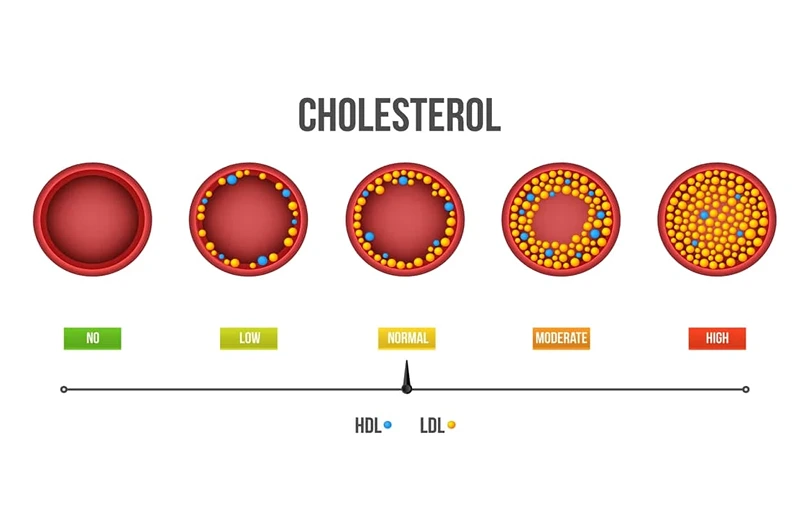
Cholesterol is a fatty, wax-like substance that circulates in your bloodstream. Your body relies on it to create healthy cells and produce essential hormones. However, when cholesterol levels exceed the recommended range, they can increase your risk of developing heart disease and stroke. Knowing the healthy limits of cholesterol—especially HDL (the “good” cholesterol) and LDL (the “bad” cholesterol)—is crucial for maintaining heart health.
HDL (High-Density Lipoprotein): The “Good” Cholesterol
HDL is known as the good cholesterol because it acts as a natural cleaner for your blood vessels. It removes excess cholesterol from your arteries and transports it to the liver, where it’s broken down and flushed out of the body.
LDL (Low-Density Lipoprotein): The “Bad” Cholesterol
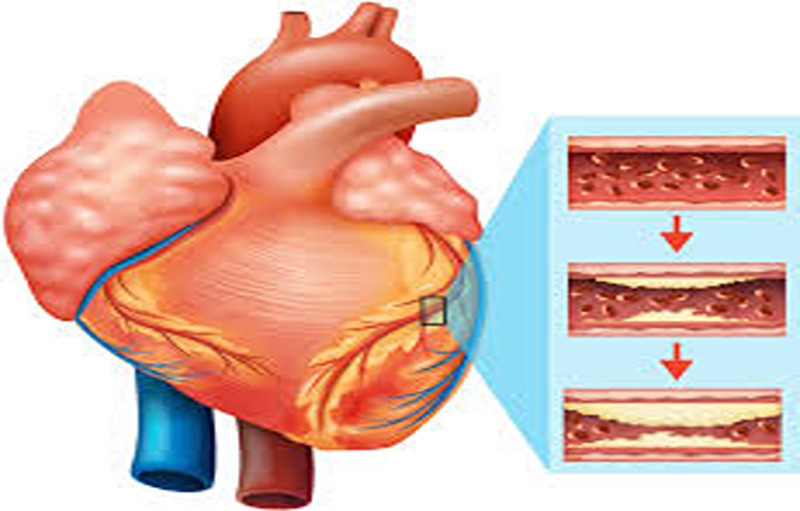
LDL is considered the bad cholesterol because when it builds up, it can form plaque inside the arteries. This buildup—called atherosclerosis—narrows the arteries and increases the likelihood of heart attack or stroke.
Here’s what your LDL numbers indicate:
Other Important Lipid Profile Numbers
Besides HDL and LDL, your lipid test also measures two additional factors that matter for heart health:
Triglycerides are another form of fat found in your blood, and elevated levels can further raise your heart disease risk.
Factors That Influence Cholesterol Level
Cholesterol targets can vary depending on your individual health profile and risk factors, including:
Conclusion
Managing cholesterol is about achieving the right balance:
Get regular lipid tests and consult your healthcare provider to monitor your numbers and make informed lifestyle choices.
|
|









|