26-Mon-Oct-2026


|
 Author :
Dr. Sheikh Jeelani
/
BNYS | FTECH
Author :
Dr. Sheikh Jeelani
/
BNYS | FTECH
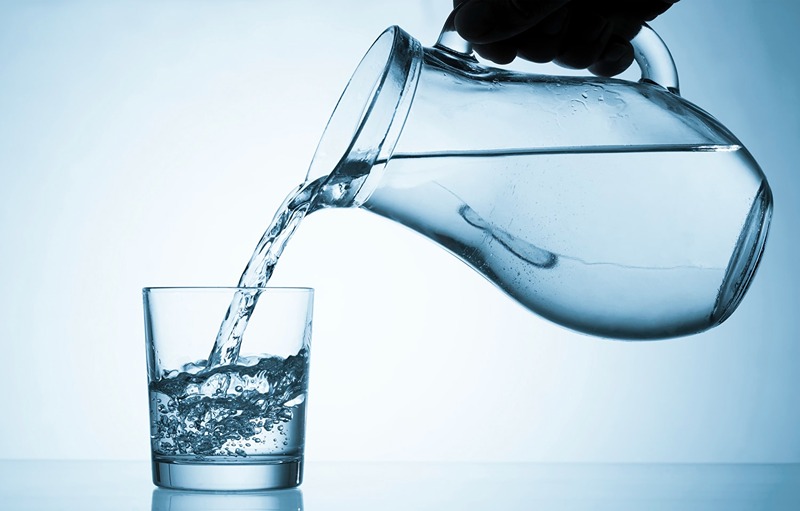
We’ve all heard it — “Drink eight glasses of water a day!” or “If you’re thirsty, you’re already dehydrated.” But how much of that is actually true? Hydration is essential for good health, yet many of us are guided by half-truths and myths that can do more harm than good. Let’s separate fact from fiction and uncover what your body really needs when it comes to staying hydrated.
Myth: Only water consumption contributes to hydration.
Fact: While water is the best and simplest way to hydrate, it's not the only source. Fruits, vegetables, milk, soups, and even beverages such as juice or herbal teas also hydrate the body. In fact, foods with high water content, such as watermelon, cucumber, and oranges, can contribute significantly to hydration.
Myth: Thirst is the best indicator of dehydration.
Fact: Thirst is a late indicator of dehydration, meaning your body has already lost some fluids by the time you feel thirsty. Other subtle signs like dry lips, headache, fatigue, or reduced urine output may appear earlier. Staying ahead of thirst by drinking fluids regularly is a better approach.
Myth: You don't need as much water in cold weather.
Fact: People often drink less water in cold climates, but the body still loses fluids through respiration and urination. Dry indoor heating and extra layers of clothing can also increase fluid loss. Staying hydrated is just as important in winter as it is in summer.
Myth: Drinking a lot of water helps flush out all toxins.
Fact: Water supports kidney function and helps in toxin removal, but overhydration doesn't improve this process and can strain the kidneys. The body has a natural detox system, and drinking water supports it, but it doesn’t act as a magic cleanser.
Myth: If you’re not sweating, you’re not losing fluids.
Fact: Fluid loss also happens through breathing and urination, not just sweating. Even at rest or in cooler conditions, your body continues to lose water, which needs to be replenished.
Myth: You should avoid drinking water before bed.
Fact: Unless you're prone to waking up for frequent urination, drinking a small amount of water before bed can actually prevent dehydration overnight. It’s about moderation—there’s no harm in a few sips before sleep.
Myth: Coconut water is the best way to hydrate.
Fact: Coconut water does contain electrolytes and is a decent rehydration option, but it's not necessary for everyday hydration. Plain water is typically enough for most people. Coconut water can also be high in minerals like potassium.
|
|








|