26-Mon-Oct-2026


|

 Author :
Dr. Sheikh Jeelani
/
BNYS | FTECH
Author :
Dr. Sheikh Jeelani
/
BNYS | FTECH
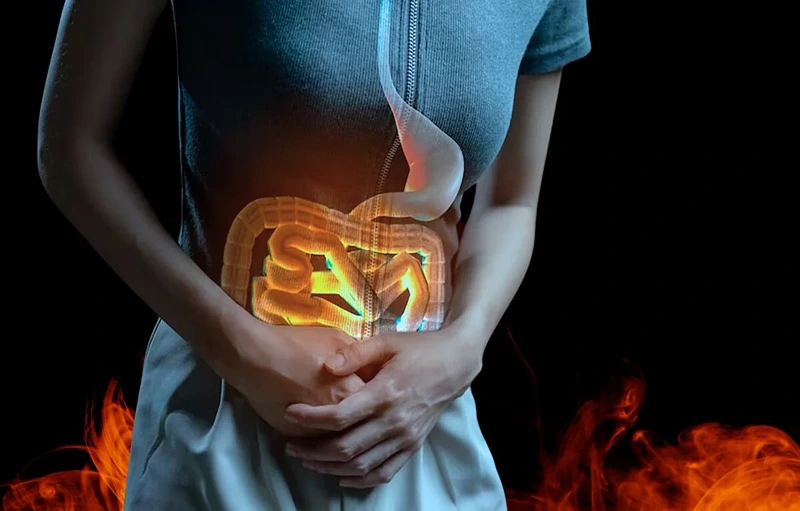
Diarrheal diseases kill one out of every nine children worldwide, making diarrhoea the second leading cause of death in children under the age of five. Dehydration is the most serious threat posed by diarrhoea. Water and electrolytes such as sodium, chloride, potassium, and bicarbonate are lost during a diarrhoea episode through liquid stools, vomit, sweat, urine, and breathing. When these losses are not replaced, a person suffering from diarrhoea becomes dehydrated. Furthermore, diarrhoea is a major cause of malnutrition, making the individual more vulnerable to future recurrence of diarrheal and other diseases.
Diarrhoea is defined as the passage of three or more loose or liquid stools per day, or more frequently than the individual's normal frequency. It is typically a sign of a gastrointestinal infection caused by a variety of bacterial, viral, and parasitic organisms. The infection spreads from person to person as a result of poor hygiene or through contaminated food or drinking water.
Diarrhoea is classified into three clinical types, each with its own set of treatments:
Historically, severe dehydration and fluid loss were the leading causes of death in children suffering from diarrhoea. Other causes, such as septic bacterial infections, are now expected to account for a growing proportion of all diarrhoea-related deaths. Exclusive breastfeeding is protective and helps to prevent diarrhoea in young children. Breastfeeding also helps to alleviate the severity of diarrhoea.
The following are important diarrhoea prevention measures:
The following are important diarrhoea treatment measures:
Oral rehydration salts (ORS) solution: ORS, especially the low osmolarity formula, is a life-saving commodity in the treatment of diarrhoea in children.
Zinc supplements reduce the duration of a diarrhoea episode by 25% and are linked to a 30% reduction in stool volume.
Nutrient-rich foods: The vicious circle of malnutrition and diarrhoea can be broken by continuing to give nutrient-rich foods.
Further, if diarrhoea is caused by an infection or parasite, there is a need to see a healthcare provider for treatment. In the case of severe dehydration or shock, rehydration may require hospitalization.
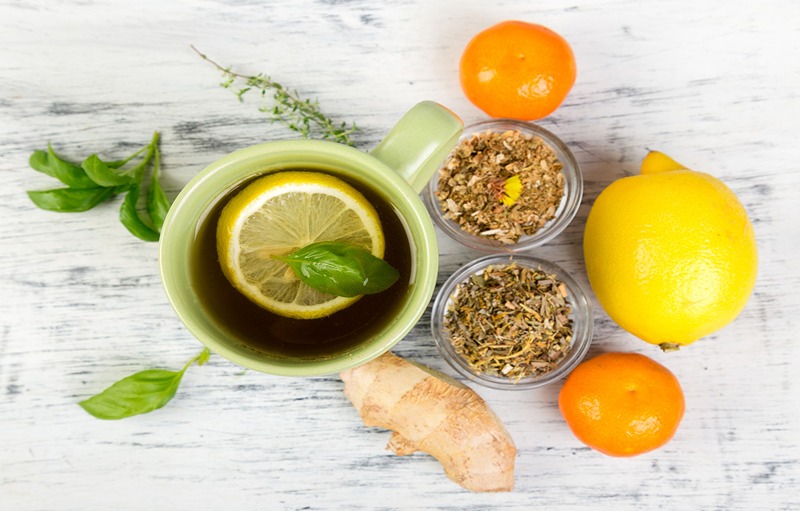
Research also suggests that therapeutic usage of potent herbs can play a vital role in the effective management of diarrhoea. As per Ayurveda and modern science, several herbs possess the potential to cure diarrhoeal problems. These herbs are:
Kutaj (Holarrhena antidysenterica): One of the important herbs for diarrhoea and dysentery, helpful in killing enteropathogenic bacteria.
Ark pudina (Mentha spicata) & Shunthi (Zingiber officinale): Both medicinal herbs play vital roles in reducing increased gastric motility.
Dadim (Punica granatum) & Amra majja (Mangifera indica): Supplements essential phytonutrients that are important in improving water and electrolyte absorption.
Bael (Aegle marmelos): Bael is very effective for the treatment of diarrhoea, which is not accompanied by fever. The unripe or half-ripe fruit is eaten for the best results.
Dill (Anethum sowa): The oil obtained from the dill is used for the treatment of diarrhoea. Dill oil is so mild that it is also an ingredient used in medicines for treating baby colic.
Fenugreek (Trigonella foenum graecum): Fenugreek seeds are useful in the treatment of digestive problems, including diarrhoea.
Babul (Acacia arabica): The babul tree is very useful in preventing diarrhoea. Each part of the babul tree is useful. Its leaves can be taken as a mixed dose with black cumin seeds, its bark can be taken as an infusion with water, and even its gum can be taken as a syrup.|
|









|