26-Mon-Oct-2026


|
 Author :
Dr. Sheikh Jeelani
/
BNYS | FTECH
Author :
Dr. Sheikh Jeelani
/
BNYS | FTECH
Myths and Facts About Osteoporosis: How to Protect Your Bones at Any Age
Osteoporosis is often called a "silent disease" because it develops gradually and may not exhibit noticeable symptoms until a fracture occurs. Millions of people worldwide, both men and women, are affected by weak bones and loss of bone density. Misconceptions about osteoporosis can prevent people from taking proper precautions, leading to serious health issues.
What is Osteoporosis?
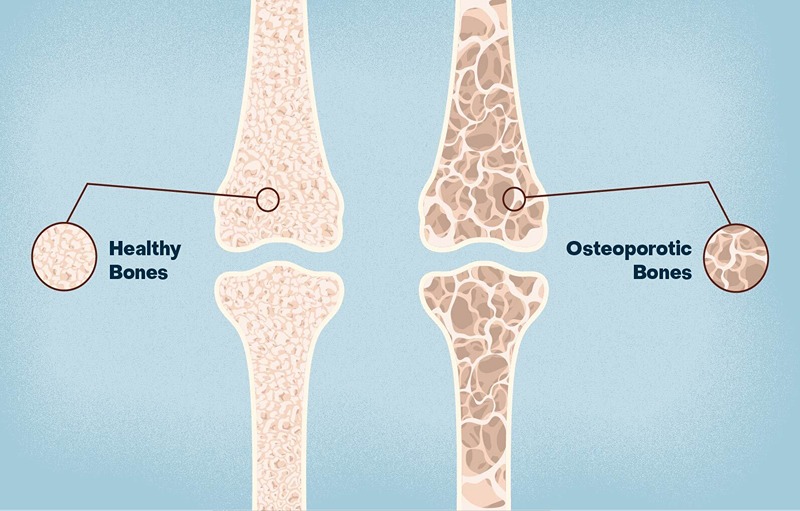
Osteoporosis is a health condition where the bones lose density, making them fragile and more likely to break. Healthy bones have a dense, sturdy structure, but in osteoporosis, the bone structure becomes thinner, making bones more susceptible to fracture.
Key points about osteoporosis:
Myth 1: Osteoporosis Only Affects Older Women
Fact: While women over 50 are at higher risk due to hormonal changes after menopause, osteoporosis can affect men and younger adults, too. Men may experience bone density loss later, but fractures can occur if risk factors are present.
Myth 2: If You Don’t Have Symptoms, Your Bones Are Healthy
Fact: Osteoporosis often has no early symptoms. Bone weakening can occur silently for years. Regular bone density checks, particularly for individuals at risk, are crucial for early detection.
Myth 3: Osteoporosis is Just About Calcium
Fact: Calcium is vital for strong bones, but vitamin D, protein, magnesium, and other nutrients also play crucial roles. Weight-bearing exercises, healthy lifestyle choices, and avoidance of smoking and excessive alcohol are equally important.
Myth 4: Only Women Need to Worry About Bone Health
Fact: Men also experience bone density loss, especially after age 60 or with risk factors like low testosterone, sedentary lifestyle, or chronic illnesses. Bone health strategies are essential for everyone.
Myth 5: Exercise Can Damage Weak Bones
Fact: Properly guided exercise strengthens bones and muscles, reduces fall risk, and improves balance. Low-impact weight-bearing activities, resistance training, and balance exercises are beneficial.
Myth 6: Fractures Are Unavoidable with Ageing
Fact: While the risk increases with age, osteoporosis prevention, lifestyle measures, and early treatment can dramatically reduce the likelihood of fractures.
Risk Factors for Osteoporosis
Certain factors increase the likelihood of developing osteoporosis. Awareness allows for early intervention.
1. Non-Modifiable Risk Factors:
2. Modifiable Risk Factors:
|
|





|