26-Mon-Oct-2026


|

 Author :
Dr. Sheikh Jeelani
/
BNYS | FTECH
Author :
Dr. Sheikh Jeelani
/
BNYS | FTECH
Many women experience a sudden fracture after a minor fall or bump, only to later discover that their bones have become weak over time. This condition, known as osteoporosis, often develops silently, without pain or noticeable symptoms, until a fracture occurs.
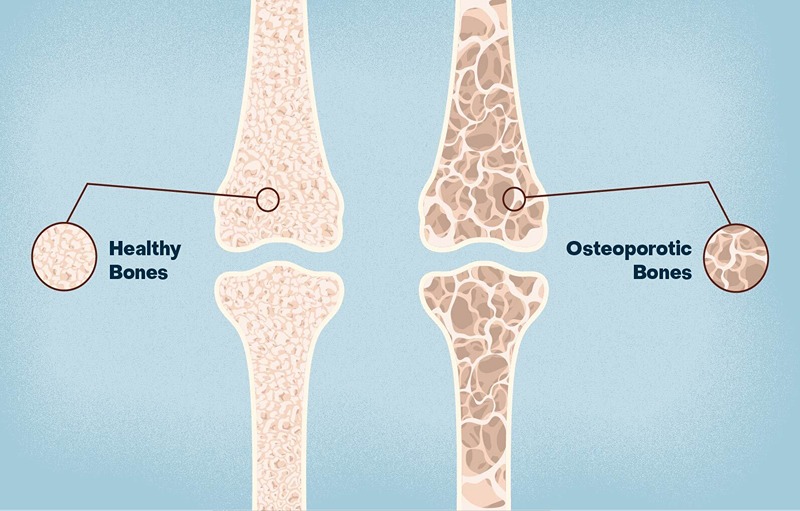
Osteoporosis, or “porous bones,” refers to the loss of bone mass and strength, making bones more fragile and prone to fractures. It is often called a silent disease because most people don’t realise they have it until they suffer a fracture, commonly in the hip, spine, or wrist.
After menopause, bone loss accelerates due to a drop in estrogen levels, the hormone that helps protect bone density. As bones become thinner and weaker, even minor accidents can lead to serious injuries and prolonged recovery.
Typically, individuals reach their peak bone mass by the age of 30, after which bone density gradually decreases. When this natural bone loss combines with hormonal changes after menopause, the risk of osteoporosis increases sharply. That’s why prevention and early action are essential.
How to Maintain Bone Strength After Menopause
Regular exercise is one of the best ways to maintain bone health. Activities like walking, jogging, stair climbing, and strength training help strengthen bones and muscles, improve balance, and reduce fracture risk.
Include foods rich in calcium and protein, such as dairy products, sesame seeds, ragi, soy, and green leafy vegetables. Aim for 1,000–1,200 mg of calcium daily.
Your doctor may recommend calcium and vitamin D supplements to support bone health, especially if dietary intake or sunlight exposure is insufficient.
Women above 50 or those who have reached menopause should consult their doctor for a DEXA scan, which measures bone density. Depending on the results, medications like bisphosphonates or hormone therapy may be advised to strengthen bones.
What to Avoid for Better Bone Health
Conclusion
Osteoporosis doesn’t have to come as a surprise. Building and maintaining bone strength should begin early and continue throughout life. After menopause, regular checkups, a nutritious diet, exercise, and healthy habits can go a long way in preventing fractures.
Preventing osteoporosis isn’t just about avoiding broken bones, it’s about preserving independence, mobility, and confidence in the years ahead.
|
|





|