26-Mon-Oct-2026


|
 Author :
Dr. Sheikh Jeelani
/
BNYS | FTECH
Author :
Dr. Sheikh Jeelani
/
BNYS | FTECH
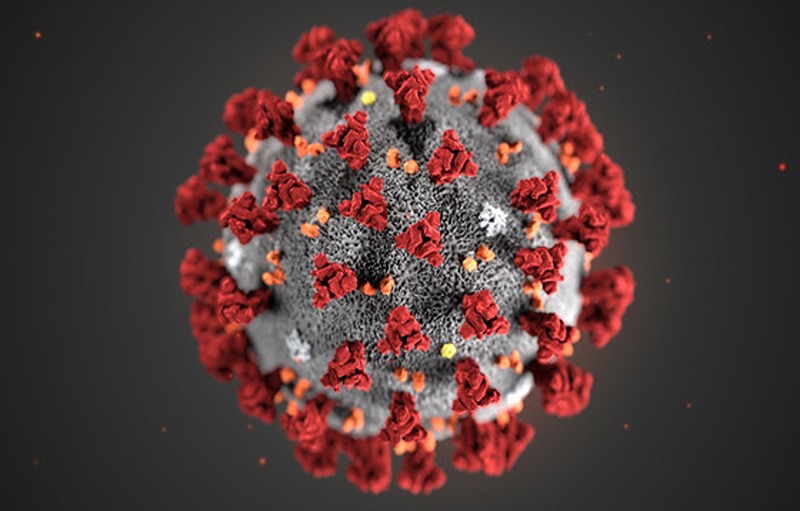
COVID-19 may have started as an acute respiratory illness, but for many, its impact continues long after the initial infection is gone. This lingering phase, often called “Long COVID” or Post-COVID Syndrome, has affected millions of people worldwide, raising new health concerns and challenges for medical professionals and patients alike.
What Is Long COVID?
Long COVID refers to a range of symptoms that persist for weeks or even months after the acute phase of COVID-19 infection has resolved. The World Health Organization (WHO) defines it as symptoms that last for more than 12 weeks and cannot be explained by another diagnosis.
These lingering effects can affect multiple organs and systems, making recovery slow and unpredictable.
Common Long-Term Effects of COVID-19
1. Fatigue and Weakness
One of the most frequently reported symptoms, extreme fatigue, can make even simple daily tasks feel exhausting. This post-viral fatigue is similar to chronic fatigue syndrome and can last for months.
2. Respiratory Issues
Even after recovery, many people experience shortness of breath, chest tightness, or persistent cough. Lung damage caused by inflammation during infection can take time to heal.
3. Neurological Symptoms
COVID-19 doesn’t just affect the lungs—it can impact the brain. Many people report:
4. Cardiovascular Problems
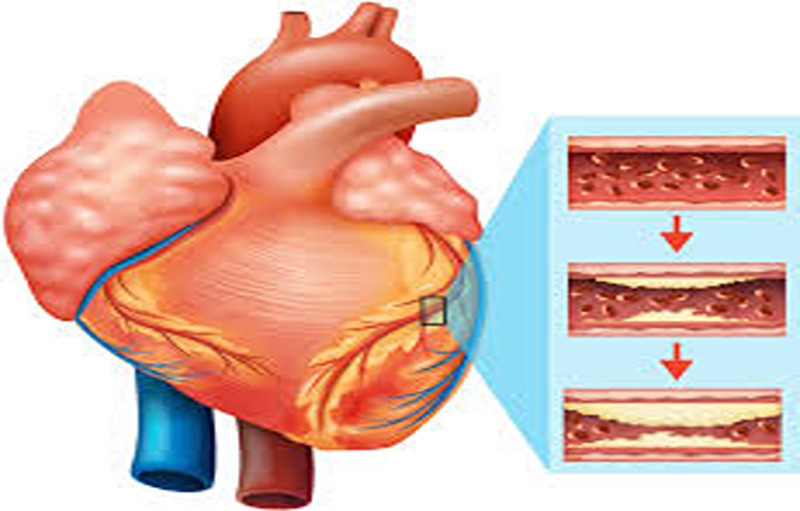
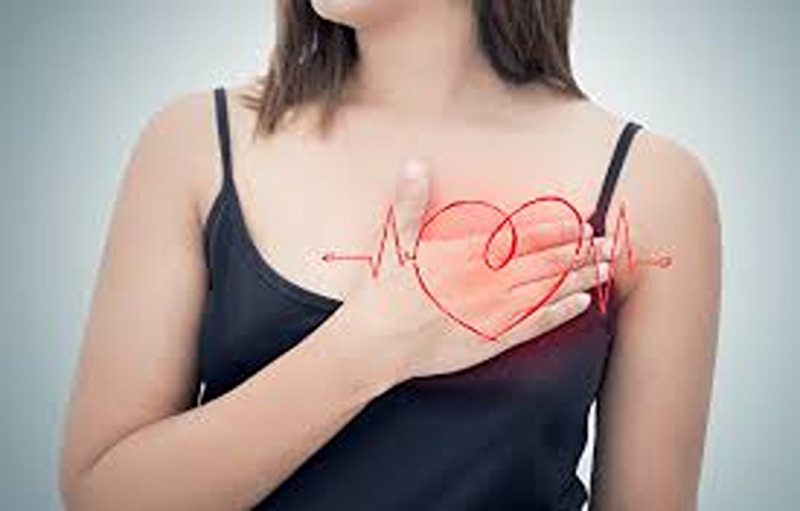
Heart inflammation (myocarditis), irregular heartbeat, and chest pain have been observed in post-COVID patients, even among those who had mild initial infections.
5. Gastrointestinal and Digestive Issues
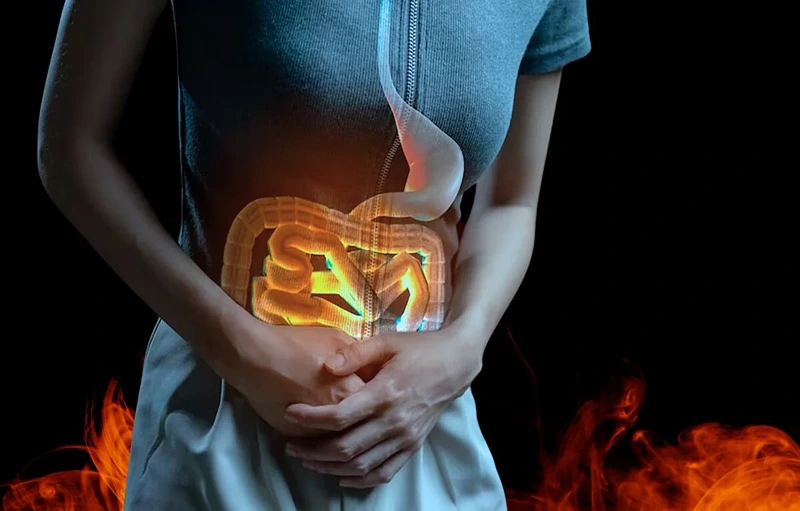
Symptoms such as loss of appetite, nausea, diarrhea, and abdominal pain may persist due to the virus’s impact on the digestive system.
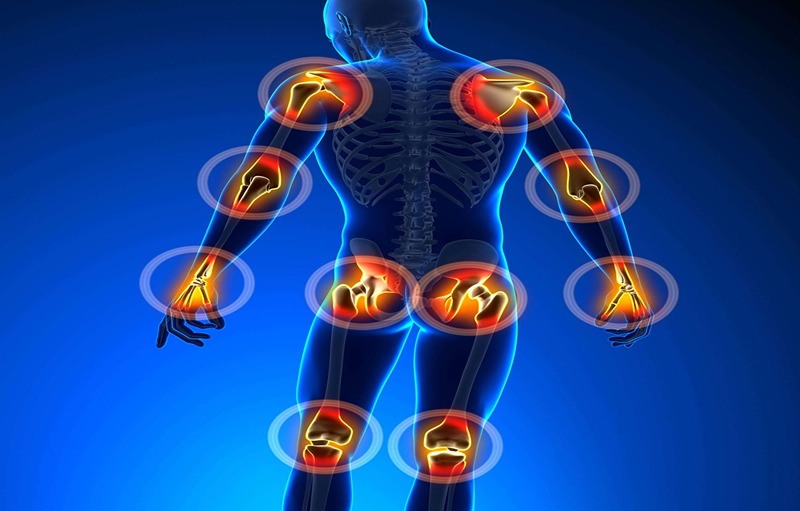
6. Joint and Muscle Pain
Muscle aches and joint stiffness can continue, resembling autoimmune reactions triggered by the virus
7.Loss of Smell and Taste
For some, anosmia (loss of smell) and ageusia (loss of taste) can last for several months, affecting appetite and overall quality of life.
Who Is at Risk?
Anyone who has had COVID-19 can experience long-term effects, but certain groups are more vulnerable:
How Long Do Symptoms Last?
Recovery varies widely. Some people see improvement in a few weeks, while others continue to experience symptoms for six months or more. Ongoing research aims to understand why some people recover quickly while others do not.
Managing and Recovering from Long COVID
1. Medical Support
Regular follow-ups with doctors are crucial. Many hospitals now have Post-COVID Care Clinics to help monitor and treat ongoing symptoms.
2. Gradual Physical Activity
Light exercises like walking or yoga can help rebuild stamina, but overexertion should be avoided.
3. Mental Health Care
Addressing anxiety, depression, or brain fog with therapy, mindfulness, or counseling can support emotional recovery.
4. Balanced Nutrition and Hydration
A diet rich in vitamins, minerals, and proteins helps the body repair and strengthen the immune system.
5. Adequate Rest
Proper sleep is essential for recovery. Listen to your body and avoid pushing beyond your limits.
|
|








|