26-Mon-Oct-2026


|
 Author :
Dr. Sheikh Jeelani
/
BNYS | FTECH
Author :
Dr. Sheikh Jeelani
/
BNYS | FTECH
Joint pain, medically known as “arthralgia”, can manifest in various ways, from occasional aches to persistent pain that limits mobility and impacts quality of life. Such challenges often lead to concerns about the underlying causes and how to find relief. Fortunately, effective solutions are available to reduce pain and improve joint health. This blog provides answers to common questions about arthralgia, including its causes and treatment options, offering insights to help manage this condition.
What is Arthralgia?
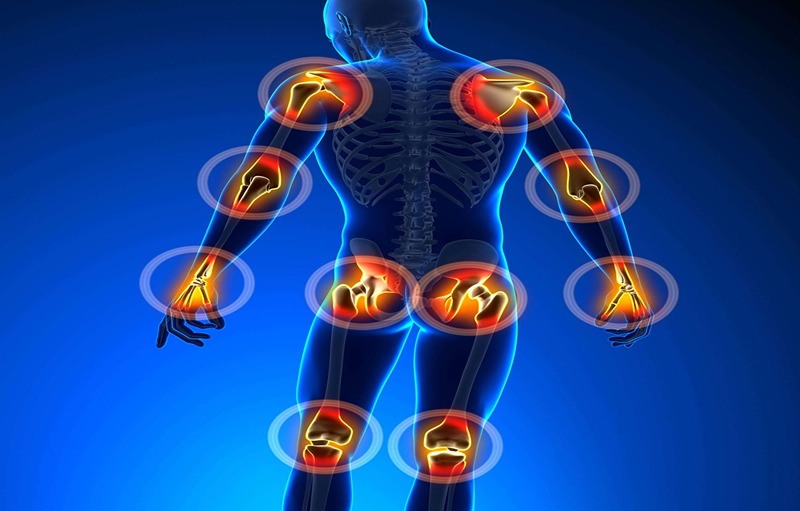
Arthralgia is a medical term used to describe joint pain without any accompanying inflammation. It affects the tissues surrounding the joints, including the cartilage, bones, and ligaments. Unlike arthritis, which involves joint inflammation, arthralgia is simply the discomfort or pain felt in the joints, often due to various underlying causes.
The pain caused by arthralgia can vary significantly, from a mild ache to severe discomfort that affects daily activities. It may occur in one joint or multiple joints, and its intensity can fluctuate. Commonly, the pain is felt in the knees, hips, shoulders, or wrists, but it can affect any joint in the body.
Arthralgia is not a disease on its own but a symptom of several conditions. Identifying the underlying cause of the pain is crucial to determining the best approach for treatment and management.
What are the Common Causes of Arthralgia?
There are various factors that can lead to arthralgia. These range from medical conditions to lifestyle choices or even external factors like infections and injuries. Understanding the causes of arthralgia is the first step in managing the discomfort it brings. Below are some of the most common causes:
1. Medical Conditions
Several medical conditions can lead to arthralgia. Some of the most prevalent ones include:
2. Injuries and Trauma
Injuries or trauma to the joints can also lead to arthralgia. Common injuries include:
3. Infections
Infections can also lead to joint pain. Some viral and bacterial infections are known to cause arthralgia:
4. Other Causes
There are several other factors that can lead to arthralgia, including:
What are the Treatment Options for Arthralgia?
The treatment of arthralgia depends on its underlying cause. The goal of treatment is to reduce pain, improve joint function, and prevent further damage. There are several approaches to managing arthralgia:
1. Non-Pharmacological Treatments
2. Pharmacological Treatments
3. Alternative Therapies
Lifestyle Changes to Help Manage Arthralgia
Certain lifestyle changes can play a significant role in managing arthralgia and improving overall joint health.
Excess weight puts additional stress on weight-bearing joints, such as the knees and hips. Losing weight can reduce the strain on these joints, alleviate pain, and prevent further joint damage, especially for those with osteoarthritis.
Regular exercise is crucial for maintaining joint health. Low-impact exercises, such as swimming or cycling, can help strengthen muscles, improve flexibility, and reduce pain. It is important to choose exercises that are gentle on the joints while still providing benefits.
A balanced diet rich in anti-inflammatory foods can also support joint health. Omega-3 fatty acids, found in fish such as salmon, are particularly beneficial for reducing inflammation. Consuming plenty of fruits, vegetables, and whole grains can provide essential vitamins and minerals that support joint function.
|
|











|