17-Sat-Oct-2026


|
 Author :
Dr. Sheikh Jeelani
/
BNYS | FTECH
Author :
Dr. Sheikh Jeelani
/
BNYS | FTECH
In the ever-evolving world of nutrition, intermittent fasting (IF) has gained immense popularity — not just as a trend but as a scientifically backed approach to improving health, metabolism, and longevity. But what exactly happens in your body when you fast? Let’s dive into the science behind intermittent fasting and uncover why it’s more than just skipping meals.
What Is Intermittent Fasting?
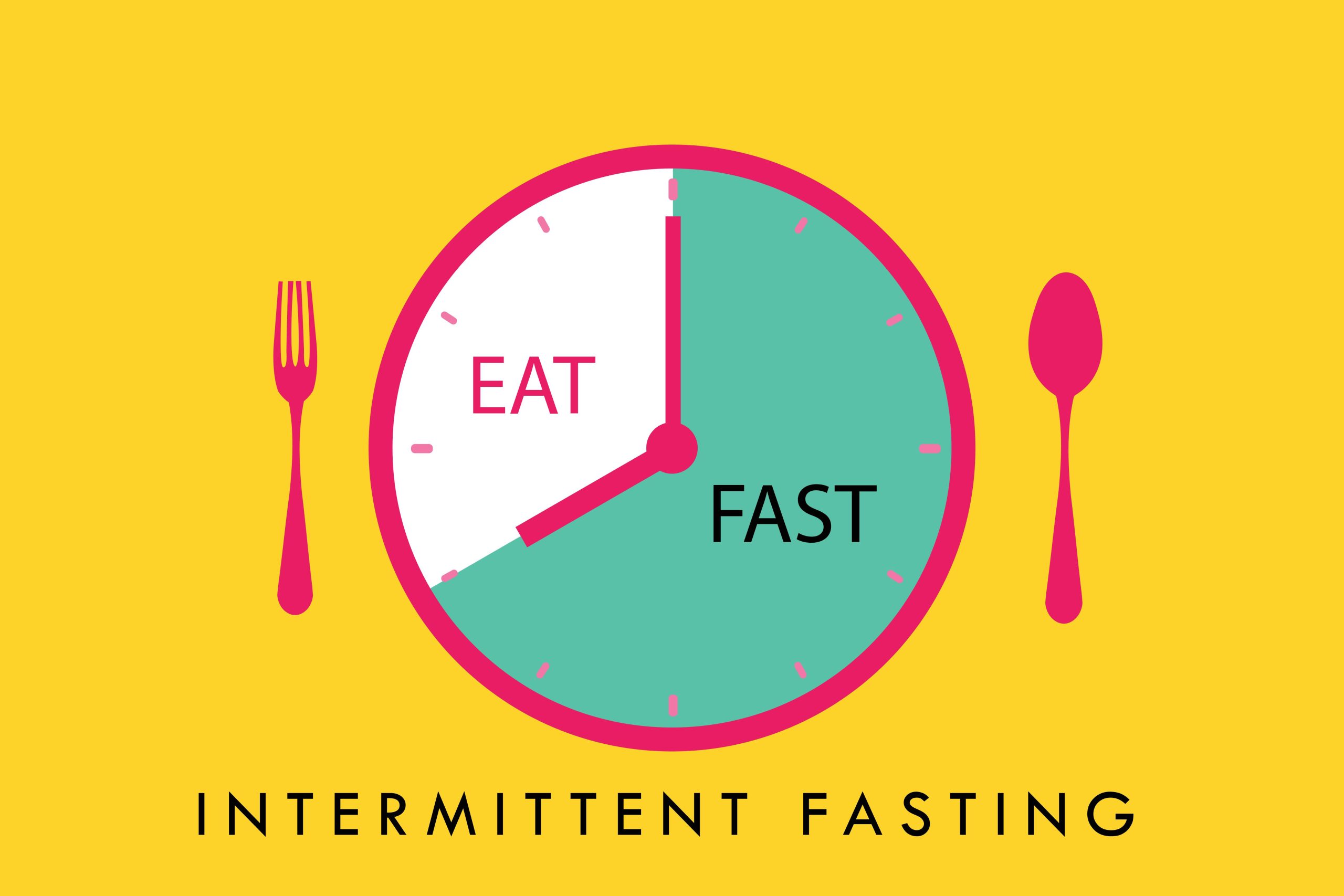
Intermittent fasting is not about what you eat but when you eat. It’s an eating pattern that alternates between periods of eating and fasting. Common methods include:
During fasting, the body goes through several metabolic changes that can have profound effects on your health.
The Science Behind Fasting
When you fast, your body transitions through different stages that influence hormone levels, cellular repair, and metabolism.
1. Lower Insulin Levels
After several hours without food, insulin levels drop significantly. Lower insulin levels encourage fat burning because your body starts using stored fat for energy instead of glucose.
2. Increased Human Growth Hormone (HGH)
Fasting can increase the secretion of growth hormone up to fivefold. Higher HGH levels promote fat loss, muscle growth, and cellular repair.
3. Cellular Repair and Autophagy
During fasting, cells initiate a process called autophagy — a natural mechanism that removes damaged cells and regenerates new ones. This process is linked to slowing aging and reducing disease risk.
4. Gene Expression and Longevity
Fasting affects the expression of genes related to longevity and disease protection. Studies show it activates genes that help resist stress and repair DNA damage.
Health Benefits of Intermittent Fasting
1. Improves Insulin Sensitivity
Regular fasting helps stabilize blood sugar levels and improve insulin sensitivity, reducing the risk of type 2 diabetes.
2. Supports Heart Health
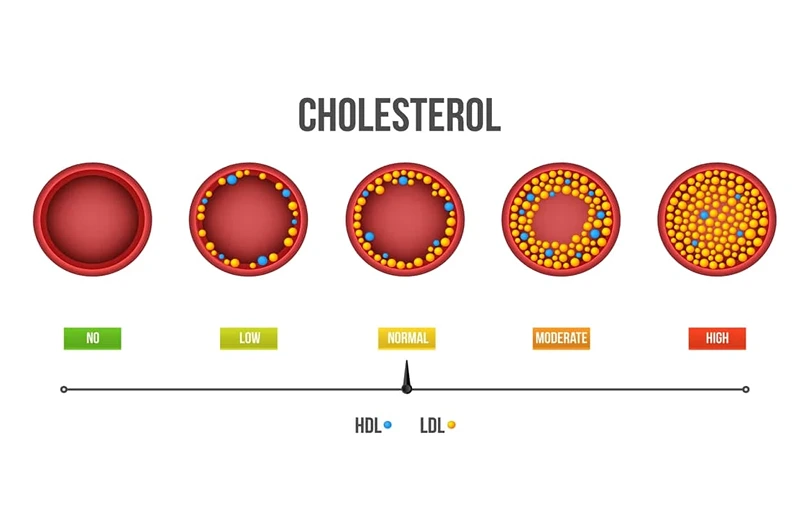
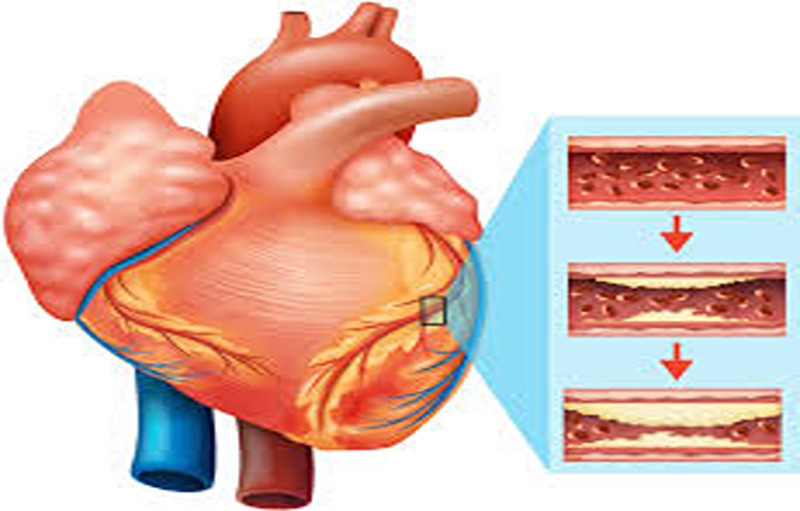
Intermittent fasting can lower LDL (bad cholesterol), triglycerides, and inflammation — all of which are risk factors for heart disease.
3. Boosts Brain Function
Fasting increases the production of brain-derived neurotrophic factor (BDNF), a protein that supports brain health and may reduce the risk of Alzheimer’s disease.
4. Enhances Fat Burning and Weight Loss
By switching your energy source from glucose to fat, IF promotes natural fat burning and helps with sustainable weight loss — without calorie counting.
5. Reduces Inflammation and Oxidative Stress
Studies show fasting lowers oxidative damage and inflammation, both of which contribute to chronic diseases and aging.
How to Start Intermittent Fasting Safely
Who Should Avoid Intermittent Fasting?
While intermittent fasting can be beneficial, it’s not suitable for everyone. Avoid or consult a doctor if you are:
Intermittent fasting is more than just a diet — it’s a scientifically proven lifestyle approach that can help your body heal, burn fat efficiently, and even extend your lifespan. However, consistency and balance are key. Pair fasting with nutritious meals, exercise, and proper hydration for the best results.
|
|










|