20-Tue-Oct-2026


|
 Author :
Dr. Sheikh Jeelani
/
BNYS | FTECH
Author :
Dr. Sheikh Jeelani
/
BNYS | FTECH
In recent years, the term “superfoods” has dominated nutrition blogs, Instagram posts, and supermarket shelves. From acai berries and chia seeds to kale and quinoa, foods are often branded as “super” to highlight their exceptional health benefits. But here’s the big question: Are superfoods truly backed by science, or are they just a clever marketing buzzword?
What Are Superfoods?
“Superfood” is not a scientific classification. In fact, you won’t find the term in any medical textbook or nutritional guideline. It’s a marketing term used to describe foods that are rich in vitamins, minerals, antioxidants, or other compounds believed to promote health and prevent disease.
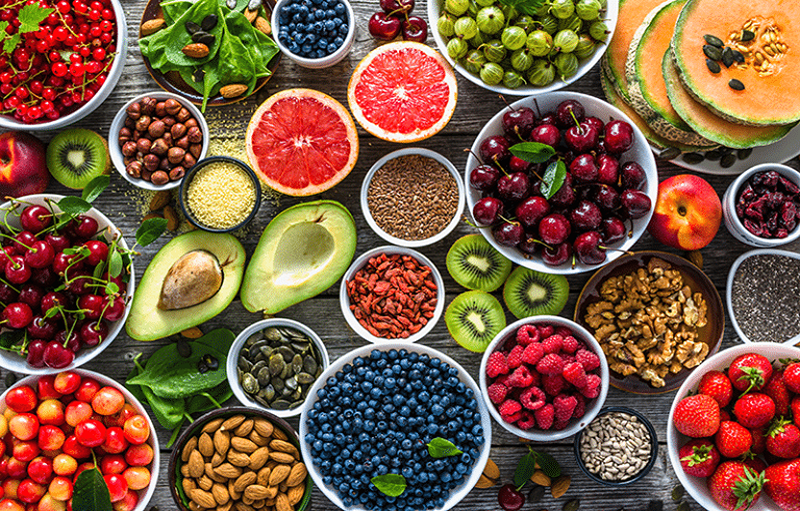
Some commonly labeled superfoods include:
The Science Behind Superfoods
Research shows that many of these foods are indeed nutrient-dense and beneficial:
So yes—superfoods can be incredibly healthy, but they aren’t magic bullets. Eating blueberries won’t erase years of poor lifestyle habits, and no single food can prevent chronic disease on its own.
The Real Key: Super Diet, Not Superfoods
Science consistently shows that it’s not about one single food, but about overall diet and lifestyle. A balanced plate filled with a variety of fruits, vegetables, whole grains, healthy fats, and lean proteins offers the best long-term benefits.
In other words:
Superfoods are real in the sense that many of them are nutrient powerhouses—but the super label is mostly marketing. Instead of chasing trendy foods with hefty price tags, focus on building a diet rich in variety, balance, and whole, minimally processed ingredients.
At the end of the day, the healthiest superfood isn’t found in a fancy package—it’s found in a consistently balanced diet and sustainable lifestyle.
|
|













|