28-Sun-Jun-2026


|
 Author :
Dr. Sheikh Jeelani
/
BNYS | FTECH
Author :
Dr. Sheikh Jeelani
/
BNYS | FTECH
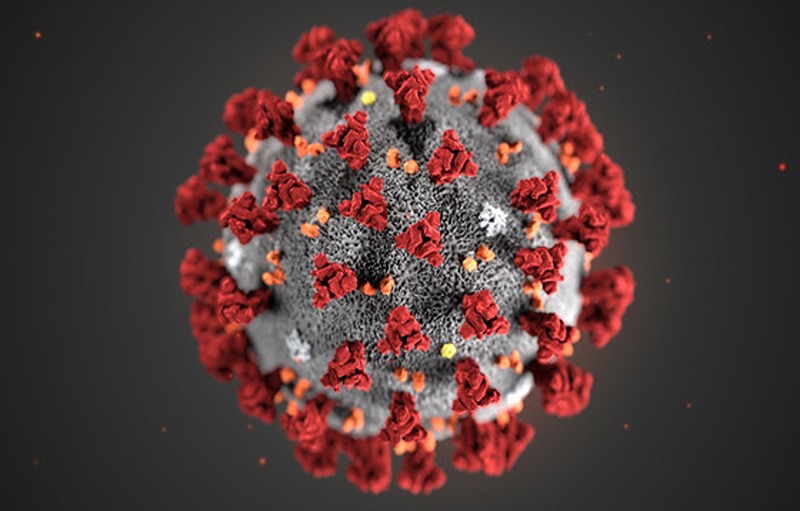
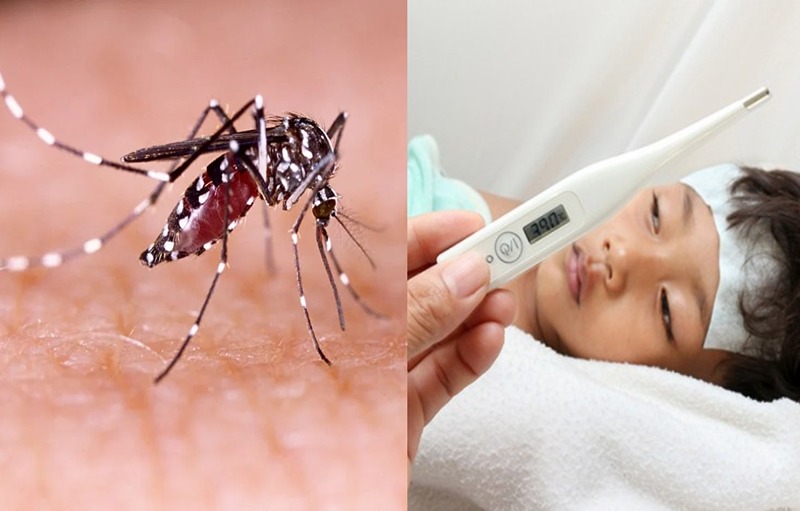
Dengue fever is a mosquito-borne viral infection that has become one of the most common tropical diseases worldwide. With millions of cases reported annually, it is a significant public health concern in many countries, especially in Asia, Africa, and Latin America. Dengue is transmitted by the bite of infected Aedes aegypti and Aedes albopictus mosquitoes—species that are also responsible for spreading chikungunya and Zika virus.
What is Dengue Fever?
Dengue fever is caused by the dengue virus (DENV), which has four distinct strains (DENV-1, DENV-2, DENV-3, and DENV-4). Once infected, a person gains lifelong immunity to that particular strain but may still get infected by the other strains, sometimes leading to more severe complications.
Causes and Transmission
Symptoms of Dengue Fever
Symptoms usually appear 4–10 days after infection and can range from mild to severe.
1. Common Symptoms:
2. Severe Dengue (Dengue Hemorrhagic Fever):
If untreated, dengue can progress into a severe form leading to:
Severe dengue is a medical emergency and requires immediate hospitalization.
Diagnosis
Doctors diagnose dengue through:
Treatment for Dengue Fever
There is no specific antiviral medicine for dengue. Treatment mainly focuses on relieving symptoms and preventing complications:
Prevention and Control
Conclusion
Dengue fever is a preventable but potentially life-threatening disease. Early detection, proper medical care, and mosquito control are essential in reducing its impact. By staying informed and adopting preventive measures, communities can protect themselves and help curb the spread of this disease.
|
|












|