


Echo

Weekly Updates

Let's join our newsletter!

Do not worry we don't spam!

Dr Thangs

Why Your Back Hurts — And What You Can Do About It.

  Author : Dr. Sheikh Jeelani   / BNYS | FTECH

Back pain is one of the most common health problems affecting people worldwide. Whether it’s a dull ache, sharp twinge, or stiffness, back pain can interfere with daily life, work productivity, and overall well-being. Studies show that nearly 80% of people experience back pain at some point in their lives, making it a leading cause of disability. Understanding its causes, symptoms, and treatment options can help prevent and manage this condition effectively.

What is Back Pain?

Back pain refers to discomfort or pain felt anywhere along the spine – from the neck (cervical), upper back (thoracic), or lower back (lumbar). Among these, lower back pain is the most common because it bears most of the body’s weight and movement.

Common Causes of Back Pain

Several factors can lead to back pain, including:

  • Poor Posture – Sitting for long hours at a desk or slouching can strain spinal muscles.
  • Muscle or Ligament Strain – Heavy lifting or sudden awkward movements can cause injury.
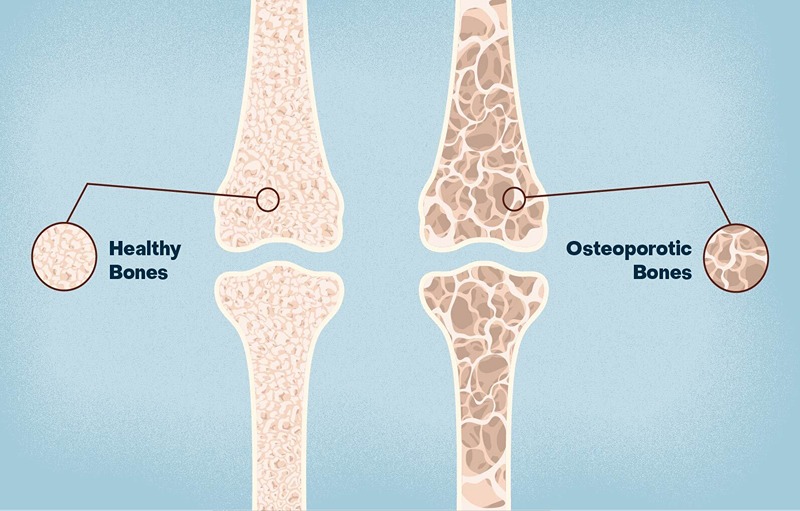
  • Degenerative Conditions – Issues like arthritis, osteoporosis, or herniated discs.
  • Lifestyle Factors – Obesity, lack of exercise, or weak core muscles.
  • Injuries or Accidents – Falls, fractures, or sports injuries.
  • Underlying Medical Conditions – Infections, kidney problems, or nerve disorders may sometimes cause referred pain.

Symptoms of Back Pain

Back pain can vary depending on the cause. Common symptoms include:

  • Persistent dull ache or sharp stabbing pain.
  • Stiffness and reduced flexibility in the spine.
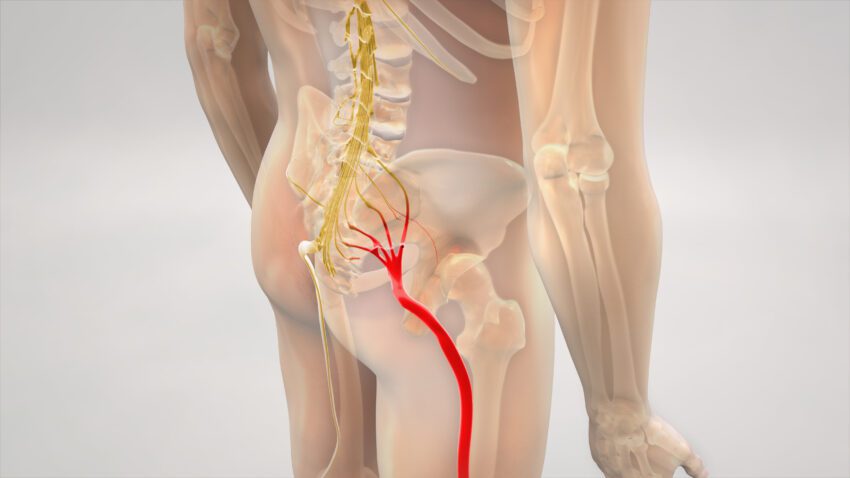
  • Pain radiating to legs (sciatica).
  • Muscle spasms or tightness.
  • Difficulty standing, walking, or bending.
  • If back pain is accompanied by numbness, weakness, unexplained weight loss, or bladder/bowel issues, medical attention is crucial.

How to Relieve and Prevent Back Pain

The back pain can be prevented or managed through lifestyle changes and proper care.

Self-Care & Home Remedies

  • Stay Active: Gentle exercises, stretching, and walking help strengthen the back.
  • Heat or Cold Therapy: Applying ice packs reduces inflammation, while heat relieves stiffness.
  • Correct Posture: Sit upright, keep feet flat, and avoid prolonged sitting.
  • Weight Management: Maintaining a healthy weight reduces stress on the spine.
  • Proper Sleep Position: Sleeping on a supportive mattress with correct spinal alignment.

Medical Treatments

  • Medications: Pain relievers, anti-inflammatory drugs, or muscle relaxants (under doctor’s advice).
  • Physical Therapy: Strengthening core muscles and improving flexibility.
  • Injections or Surgery: Reserved for severe cases like herniated discs or spinal stenosis.

Seek medical help if back pain:

  • Persists longer than a few weeks.
  • Causes severe, unrelenting pain.
  • Radiates to legs with numbness or weakness.
  • Is associated with fever, weight loss, or loss of bladder/bowel control.

Conclusion

Back pain is a widespread issue that can affect people of all ages, but it doesn’t have to control your life. With proper posture, regular exercise, and timely medical care, most cases can be managed or even prevented. Remember, your spine supports your entire body—taking care of it is essential for a healthy and active lifestyle.

Don’t let back pain hold you back – strengthen your spine, reclaim your life

Tags:


You Might Also Like