28-Wed-Oct-2026


|

 Author :
Dr. Sheikh Jeelani
/
BNYS | FTECH
1. Lifts Mood and Reduces Stress
Morning walks trigger the release of feel-good hormones like endorphins and serotonin, which not only reduce stress but also improve emotional resilience over time. A consistent walking routine may even help manage low-grade anxiety and mood swings. The quiet surroundings and slower pace of the early hours offer a calm and steady environment, which can help start the day with a more positive outlook.
2. Encourages Better Sleep
Morning light resets the body’s sleep-wake cycle. This rhythm, known as the circadian rhythm, affects when the body feels alert or sleepy. Morning light signals the brain to stop melatonin production, the hormone that makes you sleepy, helping your body feel more alert during the day and naturally ready for rest at night. This daily reset supports deeper, more restorative sleep.
3. Boosts Digestion and Gut Function
Starting the day with a walk stimulates digestion by enhancing blood flow to the gastrointestinal tract. This supports bowel regularity and can be especially helpful for those prone to bloating or constipation due to sedentary habits.
4. Helps Maintain a Healthy Weight
Although walking may seem light, doing it regularly, especially in the morning before breakfast, can help the body burn stored fat. It also increases energy use throughout the day. With healthy eating habits, morning walks support weight loss and long-term weight control. Because it places less strain on the joints compared to more intense exercise, it’s suitable for a wide age range.
5. Improves Heart Health
A morning walk helps improve circulation, strengthen the heart muscle, and lower resting blood pressure. It also supports better control of cholesterol and blood sugar levels. This lowers the risk of heart disease and stroke. Regular walking also keeps blood vessels more flexible and improves oxygen supply to vital organs.
6. Enhances Lung Capacity
Walking outdoors in the fresh morning air can improve oxygen intake and help the lungs work more efficiently. Deep breathing strengthens respiratory muscles and improves breathing patterns. This can be especially helpful for those recovering from illness, managing breathing conditions, or simply looking to improve stamina.
7. Supports Joint and Muscle Health
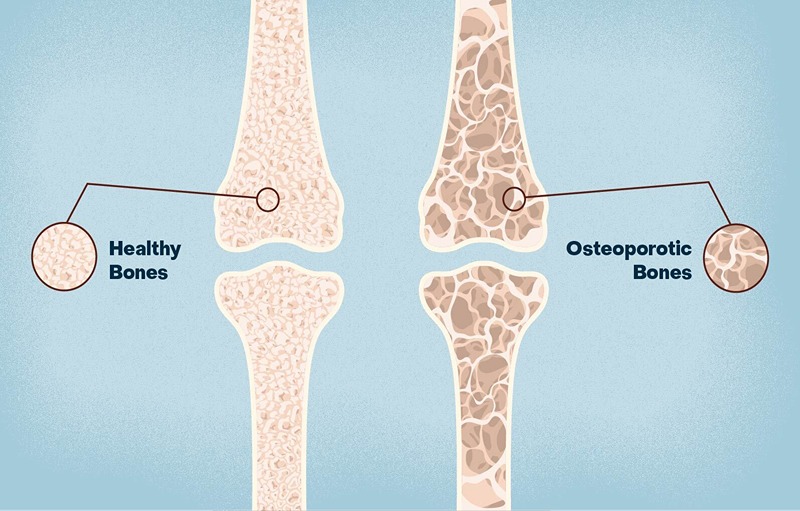
Morning walks help lubricate the joints and gently stretch the muscles after a night of rest. It eases stiffness, especially in older adults or those with arthritis. Regular movement improves muscle tone and supports joint flexibility. Walking also supports bone health and reduces the risk of age-related bone loss.
8. Improves Mental Alertness
Morning walks boost concentration and mental clarity. Physical activity improves blood flow to the brain, which supports better memory, focus, and problem-solving skills. This effect is especially helpful before work or school, as it allows for better mental performance throughout the day.
9. Encourages Routine and Discipline
Starting the day with a walk can help build a consistent daily rhythm. It adds purpose to your mornings and encourages a healthier mindset. People who begin their day with a walk are more likely to make healthier choices later, such as eating better and staying active throughout the day. Over time, it becomes a habit that supports overall balance.
10. Allows Time for Mindfulness and Reflection
Morning walks also offer quiet time to think, reflect, or simply enjoy the environment without distractions. It eases worry, builds self-awareness, and brings calm. Whether walking through a quiet park or along a familiar route, the experience can act as a gentle form of mindfulness and improve emotional balance.
|
|












|