22-Thu-Oct-2026


|
 Author :
Dr. Sheikh Jeelani
/
BNYS | FTECH
Author :
Dr. Sheikh Jeelani
/
BNYS | FTECH
When it comes to health, fitness, and weight management, the terms metabolism and fat burning are often thrown around. But what do they actually mean, and how do they work in your body? Understanding the science behind metabolism can help you make smarter lifestyle choices and optimize your body’s ability to burn fat.
What is Metabolism?
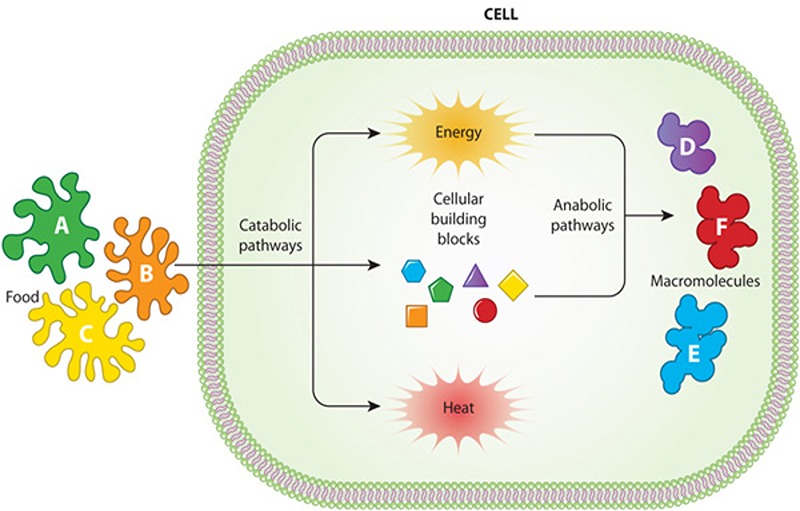
Metabolism refers to all the chemical reactions happening in your body to keep you alive and functioning. These reactions convert the food you eat into energy that fuels breathing, digestion, circulation, cell repair, and movement.
Metabolism can be divided into two processes:
Basal Metabolic Rate (BMR): Your Body’s Energy Engine
Your Basal Metabolic Rate (BMR) is the number of calories your body needs at rest to perform essential functions like breathing, maintaining heartbeat, and regulating body temperature.
Around 60–70% of daily energy is spent on BMR.
The rest goes to digestion (thermic effect of food) and physical activity.
Factors that influence your BMR include:
How Does Fat Burning Work?
Fat burning is the process of breaking down stored fat (triglycerides) into fatty acids and glycerol, which can then be used as fuel. This process is called lipolysis.
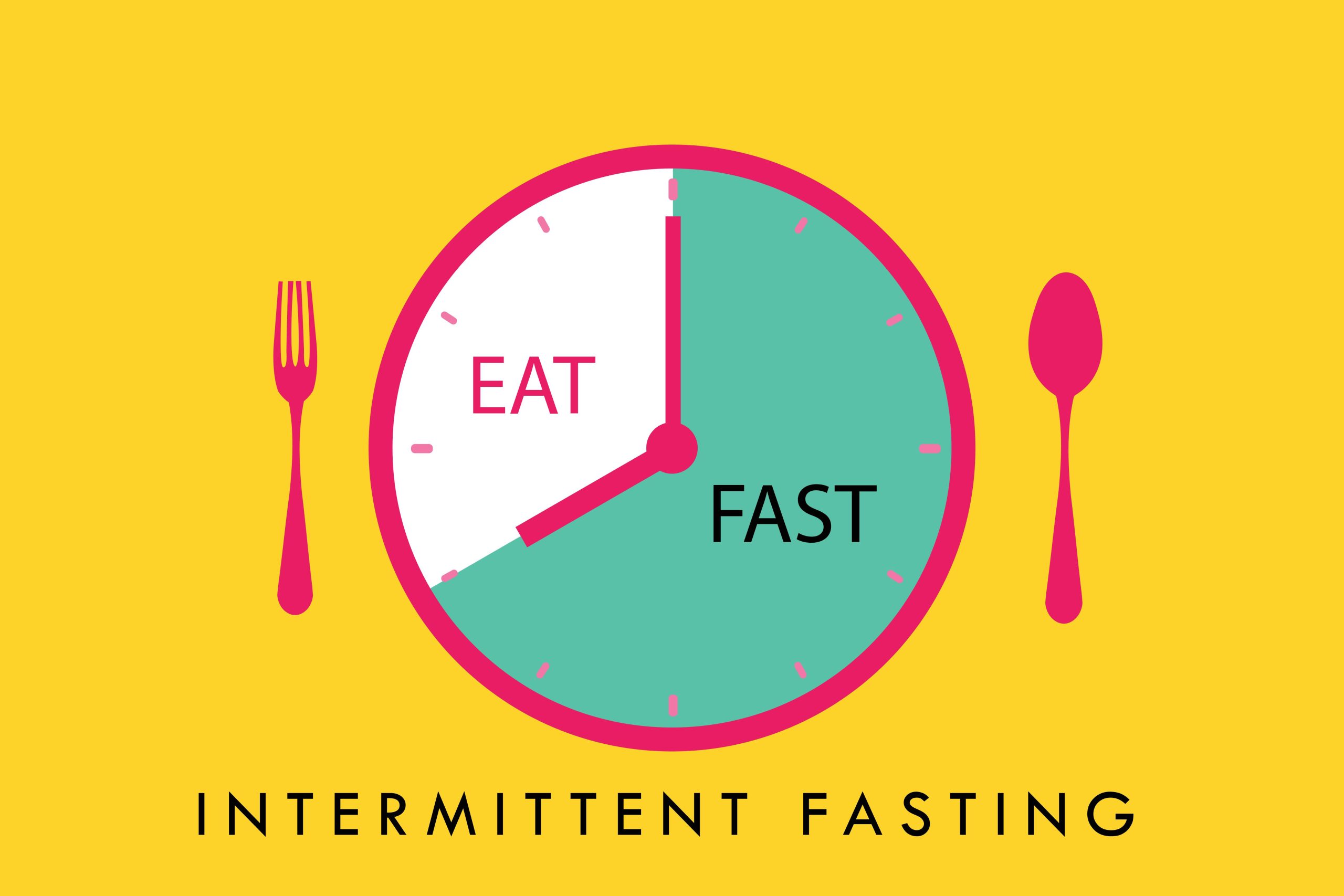
When your body needs energy and glucose (from carbs) is limited, it switches to fat as a primary fuel source. Exercise, fasting, and calorie deficits can all trigger this shift.
Boosting Metabolism and Fat Burning Naturally
Following are the ways to enhance your body’s metabolic efficiency:
Common Myths About Metabolism and Fat Burning
Myth 1: “A slow metabolism makes me gain weight.”
Weight gain is more often linked to calorie intake and activity level than metabolism alone.
Myth 2: “Fat-burning supplements are magic.”
Most fat burners have minimal impact compared to diet and exercise.
Myth 3: “Eating late at night slows metabolism.”
Timing matters less than total calorie intake and quality of food.
Metabolism and fat burning aren’t about quick fixes—they’re about creating long-term habits that improve your body’s energy efficiency. By focusing on muscle strength, balanced nutrition, hydration, sleep, and consistent physical activity, you can naturally boost your metabolism and support healthy fat loss.
|
|








|