27-Fri-Nov-2026


|
 Author :
Dr. Sheikh Jeelani
/
BNYS | FTECH
Overcoming Anxiety and Depression: A Comprehensive Guide
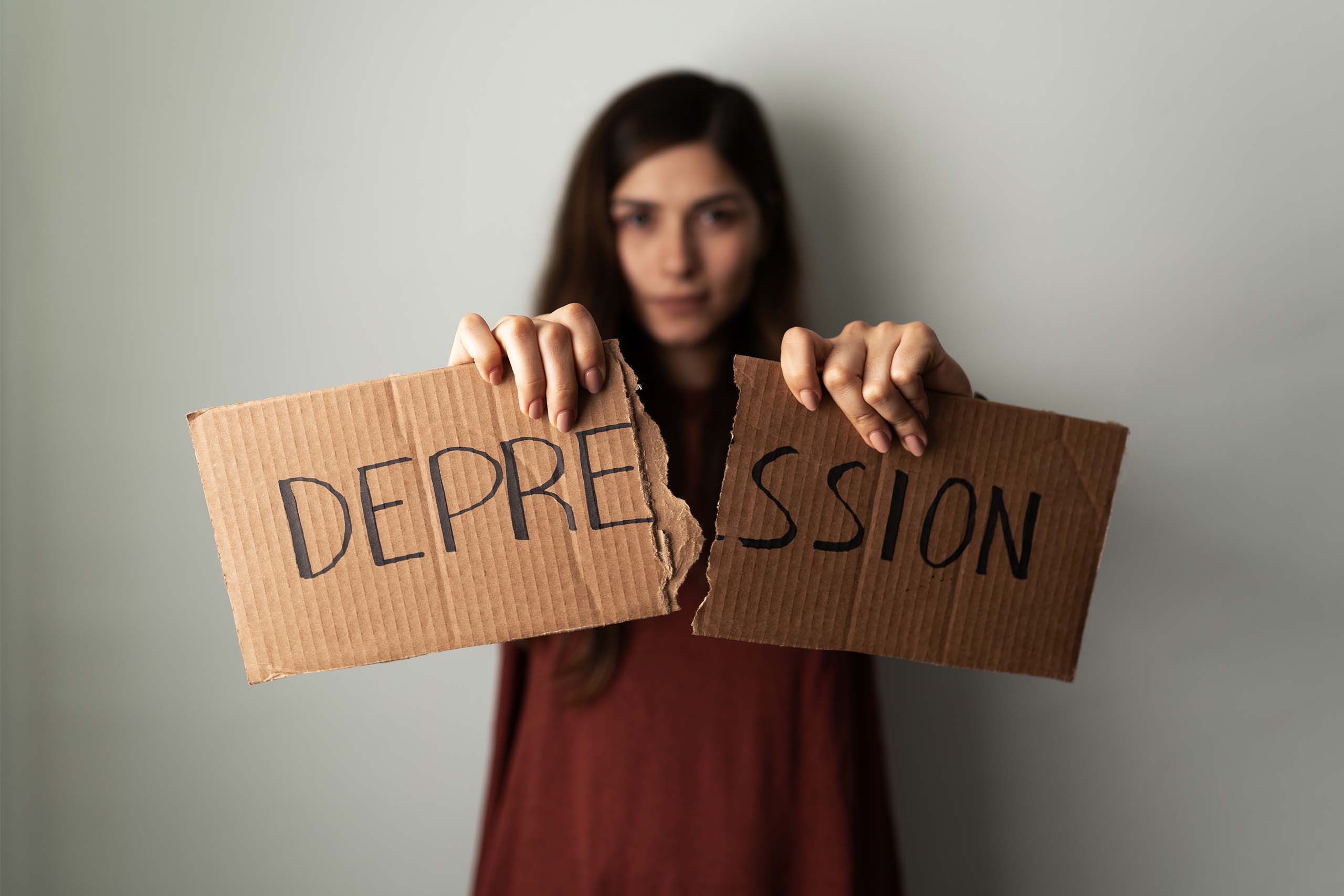
Anxiety and depression are two of the most common mental health challenges people face today. They can feel overwhelming, isolating, and debilitating, but the good news is that they are treatable. With the right strategies, support, and mindset, it’s possible to regain control and live a fulfilling life.
1. Understanding Anxiety & Depression
What is Anxiety?
Anxiety is more than just feeling stressed—it’s an intense, persistent worry that interferes with daily life. Symptoms may include:
Racing thoughts
Restlessness
Panic attacks
Physical symptoms (rapid heartbeat, sweating, nausea)
What is Depression?
Depression is a deep, prolonged sadness or lack of interest in life. Symptoms include:
- Persistent sadness or emptiness
- Fatigue and low energy
- Changes in sleep/appetite
- Feelings of worthlessness
- Thoughts of self-harm (seek help immediately if this occurs)
2. Effective Coping Strategies
A. Mindfulness & Meditation
Mindfulness helps you stay present instead of being trapped in anxious or depressive thoughts.
Deep breathing exercises (like the 4-7-8 technique) can calm the nervous system.
Guided meditation apps (Headspace, Calm) can help train your mind to relax.
B. Cognitive Behavioral Techniques (CBT)
Challenge negative thoughts – Ask: "Is this thought true? What’s the evidence?"
Reframe catastrophic thinking – Instead of "Everything is going wrong," try "I’m facing challenges, but I can handle them."
Journaling – Writing down thoughts helps process emotions.
C. Physical Activity
Exercise releases endorphins (natural mood boosters).
Even a 10-minute walk can reduce anxiety.
Yoga combines movement with breathwork, helping both body and mind.
D. Grounding Techniques (For Anxiety Attacks)
5-4-3-2-1 Method: Name 5 things you see, 4 you can touch, 3 you hear, 2 you smell, 1 you taste.
Cold water splash – Triggers the body’s "dive reflex," slowing heart rate.
3. Professional Treatment Options
A. Therapy
Cognitive Behavioral Therapy (CBT) – Helps change negative thought patterns.
Exposure Therapy – Gradually facing fears to reduce anxiety.
Talk Therapy – Discussing emotions with a therapist can provide relief.
B. Medication (If Needed)
Antidepressants (SSRIs/SNRIs) – Can help balance brain chemistry.
Anti-anxiety meds – Short-term relief for severe anxiety.
Always consult a psychiatrist for proper evaluation.
C. Alternative Therapies
Acupuncture – Some studies show it reduces anxiety.
EMDR (Eye Movement Desensitization & Reprocessing) – Helps process trauma
4. Lifestyle Changes for Mental Wellness
A. Sleep Hygiene
Poor sleep worsens anxiety/depression.
Stick to a consistent sleep schedule.
Avoid screens 1 hour before bed.
B. Nutrition & Gut Health
Omega-3s (fish, flaxseeds) support brain health.
Probiotics (yogurt, fermented foods) improve gut-brain connection.
Reduce caffeine & sugar – They can spike anxiety.
C. Limit Social Media & News Overload
Constant negativity fuels anxiety.
Set digital detox periods.
D. Set Small, Achievable Goals
Depression makes tasks feel impossible.
Break them into tiny steps (e.g., "Just get out of bed" → "Brush teeth").
5. Building a Support System
Talk to trusted friends/family – You’re not alone.
Join support groups (online/in-person).
Helplines (e.g., National Suicide Prevention Lifeline: 988 in the U.S.)
Final Thought: Recovery is Possible
Anxiety and depression can feel like a never-ending battle, but small steps lead to big changes. Be patient with yourself—healing isn’t linear. If today was hard, tomorrow is a new chance.
You are stronger than you think.
|
|








|