10-Sun-May-2026


|
 Author :
Dr. Sheikh Jeelani
/
BNYS | FTECH
Author :
Dr. Sheikh Jeelani
/
BNYS | FTECH
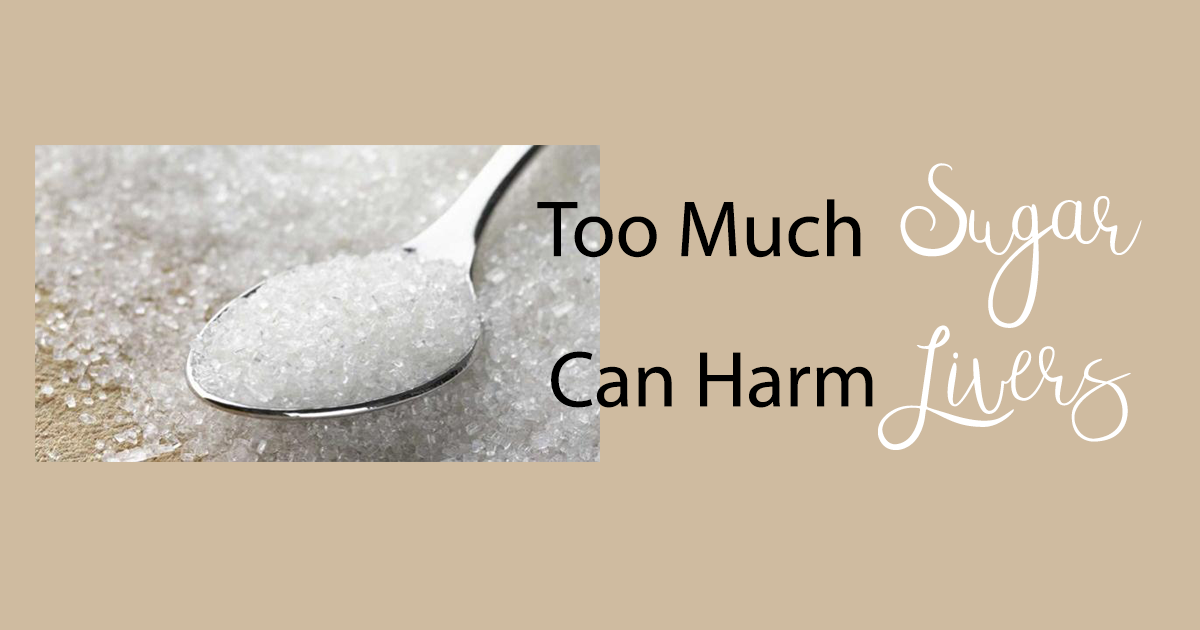
The Impact of Excessive Sugar on Liver Function
Consuming too much sugar forces the liver to work overtime, leading to several harmful effects:
Increased Fat Buildup in the Liver
Excess glucose gets converted into fat, which can accumulate in the liver cells. Over time, this may result in non-alcoholic fatty liver disease (NAFLD), a condition in which excessive liver fat leads to inflammation and harm.
Insulin Resistance and Blood Sugar Imbalance
When the liver is frequently exposed to high sugar levels, it may start resisting insulin, the hormone that controls blood sugar regulation. This may contribute to the development of type 2 diabetes and further impair liver health.
Liver Inflammation and Scarring
Excess sugar can trigger chronic inflammation in the liver, leading to scarring (fibrosis) and, in severe cases, cirrhosis—a condition where liver damage becomes irreversible.
Signs That Sugar Is Harming Your Liver
How do you know if sugar is taking a toll on your liver? Watch for these warning signs:
Fatigue: Feeling constantly tired, even with enough sleep
Abdominal discomfort: Pain or bloating in the upper right side of the abdomen
Unexplained weight gain: Particularly around the belly area
Dark urine and pale stools: Signs of liver stress
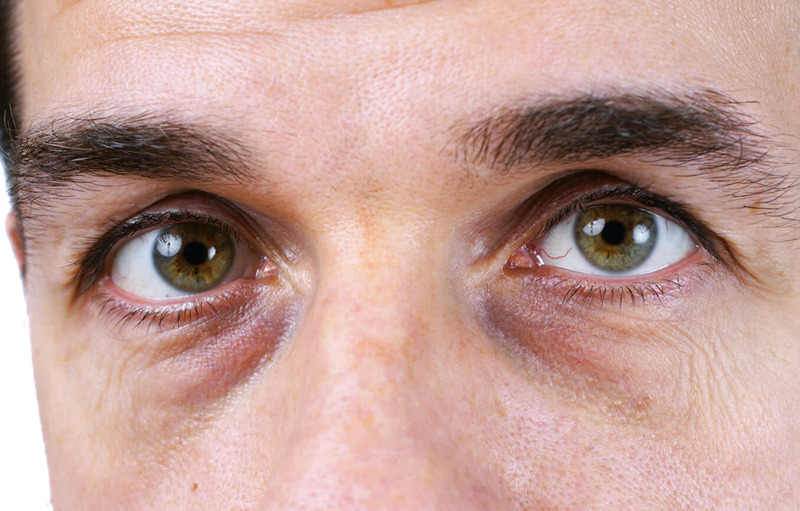
Yellowing skin and eyes (Jaundice): A sign of severe liver damage
Cravings for sweets: A cycle of sugar addiction can make the problem worse
If you notice these symptoms, it’s time to rethink your sugar intake and take steps to protect your liver.
Dietary and Lifestyle Changes to Protect Your Liver
Reduce Added Sugar Intake And Complex Carbohydrates
Men: No more than 36 grams (9 teaspoons) per day
Women: No more than 25 grams (6 teaspoons) per day
Check food labels and avoid processed foods high in added sugars, such as sodas, pastries, and flavoured yoghurts.
Eat Liver-Friendly Foods
Incorporate foods that support liver detoxification and function:
Leafy greens (spinach, kale, broccoli): Help flush out toxins
Berries (blueberries, raspberries): High in antioxidants
Nuts (walnuts, almonds): Contain healthy fats that protect the liver
Fatty fish (salmon, mackerel, sardines): Rich in Omega-3s, which reduce liver inflammation
Turmeric and ginger: Natural anti-inflammatory properties
Stay Hydrated
Drinking plenty of water helps the liver flush out toxins efficiently. Aim for at least 10 glasses per day.
Exercise Regularly
Physical activity helps burn excess sugar and fat before it accumulates in the liver. Aim for 30 minutes of moderate exercise at least 5 days a week.
Get Enough Sleep
Poor sleep can lead to insulin resistance and liver stress. Aim for 7-9 hours of quality sleep each night.
Manage Stress
Chronic stress increases sugar cravings and inflammation. Practice yoga, mindfulness meditation, or deep breathing techniques to effectively manage stress and promote relaxation.
Myths vs. Facts About Sugar & Liver Damage
Myth: Only alcohol damages the liver.
Fact: Excess sugar can cause liver disease, even if you don’t drink alcohol.
Myth: Fruit is bad because it contains sugar.
Fact: Whole fruits have fibre and nutrients that slow sugar absorption. The problem is added sugars in processed foods.
Myth: A "sugar detox" can instantly fix liver damage.
Fact: Cutting sugar helps, but liver healing takes time and requires long-term healthy habits.
Conclusion
Your liver is a powerhouse organ that processes everything you eat, including sugar. When you consume too much sugar, your liver struggles to keep up, leading to fat buildup, insulin resistance, and long-term damage. However, by reducing added sugars, eating nutrient-rich foods, staying active, and making small lifestyle changes, you can protect and even reverse liver damage.
|
|








|