
Echo

Weekly Updates

Let's join our newsletter!

Do not worry we don't spam!

Dr Thangs

High Blood Pressure (Hypertension)

  Author : Dr. Sheikh Jeelani   / BNYS | FTECH

What is High Blood Pressure (Hypertension)?

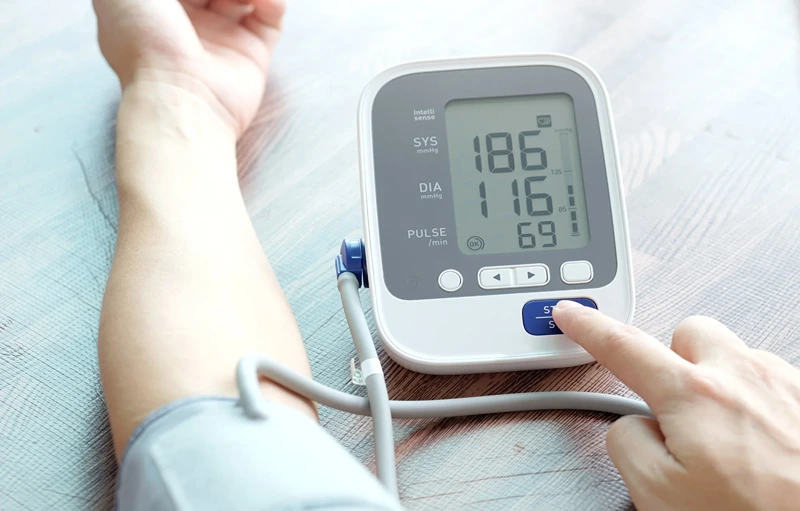
High blood pressure (BP) means the force of blood against your artery walls is consistently too high.

  • Normal BP: 120/80 mmHg
  • High BP (Hypertension): 140/90 mmHg or above (on multiple readings)

The top number (systolic) is pressure when the heart pumps blood.

The bottom number (diastolic) is pressure when the heart rests between beats.

Why Does High Blood Pressure Happen?

Hypertension can be primary (essential) or secondary:

1. Primary (Essential) Hypertension: Develops over many years

  • No single direct cause, but linked to:
  • Genetics (family history)
  • Aging (arteries stiffen)
  • Lifestyle (diet, obesity, stress, inactivity)

2. Secondary Hypertension: Caused by another medical condition, such as:

  • Kidney disease
  • Hormonal problems (thyroid, adrenal gland issues)
  • Sleep apnea
  • Certain medications (birth control pills, steroids, painkillers)

Risk Factors

  • Unhealthy diet (too much salt, fried or processed food)
  • Obesity (more fat → higher blood volume & artery strain)
  • Lack of exercise (weakens heart and vessels)
  • Smoking (damages blood vessels, narrows arteries)
  • Alcohol (raises BP over time)
  • Stress (increases stress hormones → temporary & chronic rise)
  • Age & Family history (non-modifiable risks)

Symptoms (Often “Silent”)

Hypertension is called the “Silent Killer” because most people have no symptoms until damage occurs.

When very high, it may cause:

  • Headache
  • Dizziness
  • Blurred vision
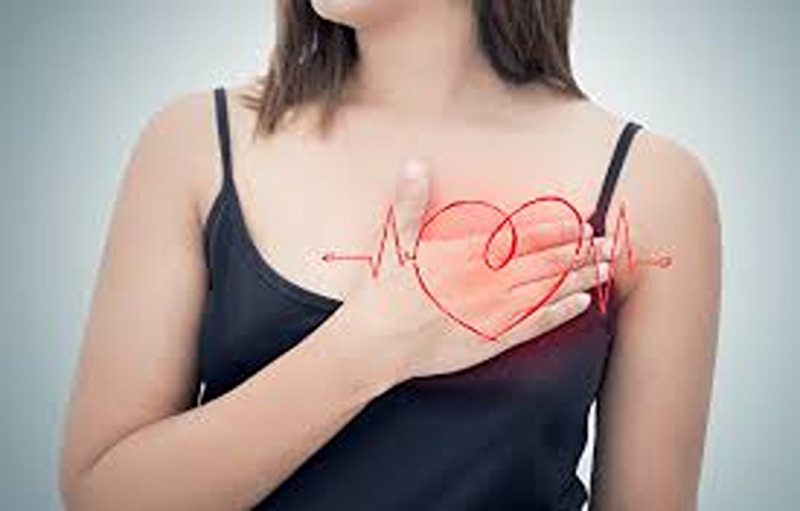
  • Chest pain
  • Nosebleeds
  • Shortness of breath

Complications If Untreated

Long-term uncontrolled high BP can damage arteries and vital organs:

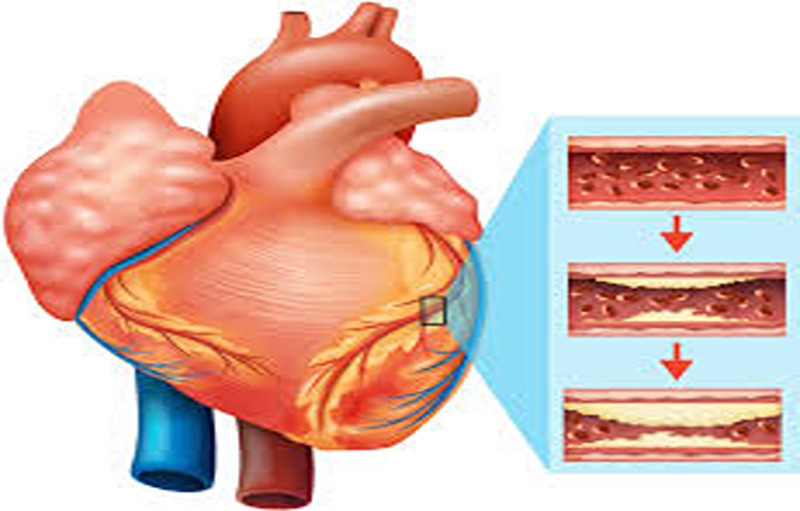
  • Heart: Heart attack, heart failure, left ventricular hypertrophy
  • Brain: Stroke, dementia
  • Kidneys: Kidney failure
  • Eyes: Retinopathy, blindness
  • Arteries: Aneurysm, peripheral artery disease

How Can High Blood Pressure Be Managed or Cured?

  1. Lifestyle Changes (First Line Treatment)

Diet:

  • Reduce salt (sodium) intake
  • Eat more fruits, vegetables, whole grains, lean proteins
  • Follow DASH diet (Dietary Approaches to Stop Hypertension)
  • Exercise: At least 30 mins/day, 5 days/week
  • Weight control: Even small weight loss reduces BP
  • Quit smoking & alcohol moderation
  • Manage stress: Yoga, meditation, breathing exercises
  • Adequate sleep (7–8 hrs/night)

2. Medications (When lifestyle alone isn’t enough)

Doctors may prescribe:

  • Diuretics (reduce excess salt & water, e.g., hydrochlorothiazide)
  • ACE inhibitors / ARBs (relax blood vessels, e.g., lisinopril, losartan)
  • Calcium channel blockers (relax arteries, e.g., amlodipine)
  • Beta-blockers (slow heart rate, e.g., metoprolol)
  • Medication choice depends on age, other conditions (like diabetes, kidney disease)

Can It Be Cured?

- Primary hypertension: Not usually cured, but it can be controlled for life with lifestyle and/or medicines.

- Secondary hypertension: If the cause (e.g., kidney issue, hormone problem) is treated, BP may return to normal.

Final Thought

High blood pressure is mainly due to genetic, lifestyle, and age-related factors. It is dangerous if left uncontrolled but can be effectively managed and sometimes reversed with healthy living and proper treatment.

Hypertension: The Silent Killer You Can Control Before It Controls You.

Tags:


You Might Also Like