10-Thu-Sep-2026

|
 Author :
Dr. Sheikh Jeelani
/
BNYS | FTECH
Author :
Dr. Sheikh Jeelani
/
BNYS | FTECH
Q1: Can too much vitamin A be harmful?
Yes, excessive vitamin A intake, especially from supplements, can be harmful. High levels can lead to toxicity, causing symptoms such as nausea, dizziness, liver damage, and, in severe cases, bone fractures or neurological issues. Pregnant women should be particularly cautious, as excess vitamin A can affect foetal development.
Q2: Does cooking affect the vitamin A content in food?
Vitamin A from animal sources is relatively stable during cooking. However, provitamin A carotenoids in vegetables, such as beta-carotene, can degrade with excessive heat. Cooking methods like steaming or roasting help retain more nutrients compared to boiling for long periods.
Q3: Are certain age groups more vulnerable to vitamin A deficiency?
Yes, infants, young children, and pregnant or breastfeeding women are more vulnerable. Growing children have higher nutritional needs, and deficiency in early life can affect vision and immunity. Pregnant and breastfeeding women require more vitamin A for foetal and infant development.
Q4: How does vitamin A deficiency affect pregnancy?
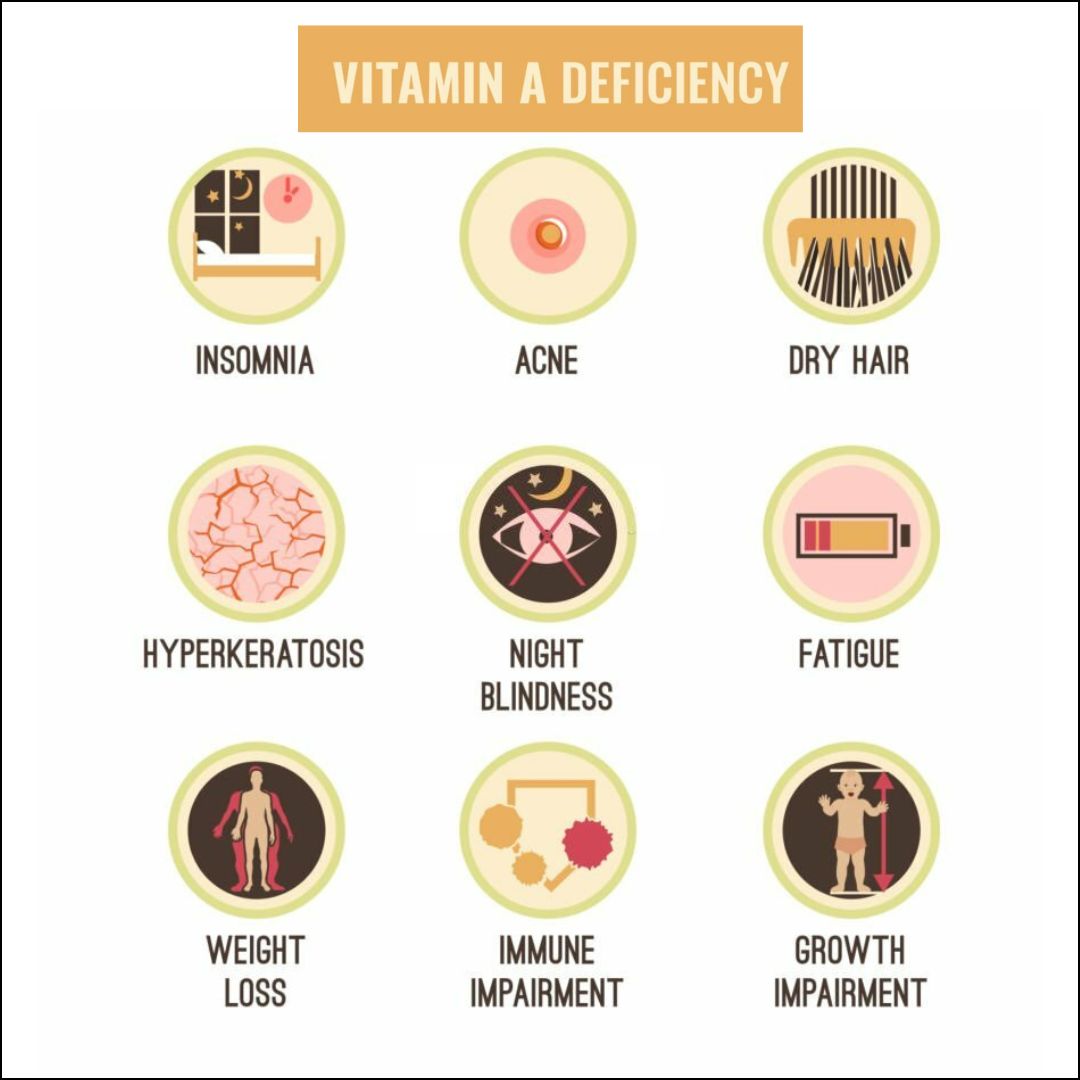
A lack of vitamin A during pregnancy can lead to complications such as night blindness, a weakened immune system, and an increased risk of maternal and infant mortality. It also plays a role in foetal growth and organ development, making adequate intake essential.
Q5: Can vitamin A deficiency cause long-term damage?
Yes, prolonged deficiency can result in permanent vision impairment, including complete blindness, particularly in children. It can also weaken the immune system, increasing susceptibility to infections. Long-term effects depend on the severity and duration of deficiency.
Q6: Is vitamin A deficiency linked to other nutrient deficiencies?
Yes, vitamin A deficiency is often associated with deficiencies in fat, zinc, and protein, as these nutrients help with absorption and metabolism. A lack of these nutrients may contribute to poor vitamin A levels, even when dietary intake is sufficient.
Q7: Does Vitamin A Deficiency Affect Mental Health or Cognitive Function?
Vitamin A plays a role in brain function, and deficiency may affect mental health and cognition. Research suggests that vitamin A is involved in neural development, memory, and learning. A deficiency can lead to cognitive impairment, difficulty concentrating, and, in some cases, mood changes such as irritability or depression. It may also contribute to an increased risk of neurodegenerative conditions. However, more studies are needed to fully understand the long-term impact of vitamin A deficiency on mental health.
Q8: Are There Vegetarian or Vegan-Friendly Sources of Vitamin A?
Yes, plant-based sources provide provitamin A carotenoids, which the body converts into active vitamin A. Good vegetarian and vegan sources include carrots, sweet potatoes, spinach, kale, pumpkin, mangoes, and red bell peppers. Fortified foods, such as plant-based milk and cereals, can also help increase intake. Since conversion rates vary between individuals, consuming a variety of these foods with healthy fats (like nuts and oils) can improve absorption.
|
|










|