15-Sun-Nov-2026


|
 Author :
Dr. Sheikh Jeelani
/
BNYS | FTECH
What is Fainting (Syncope)?
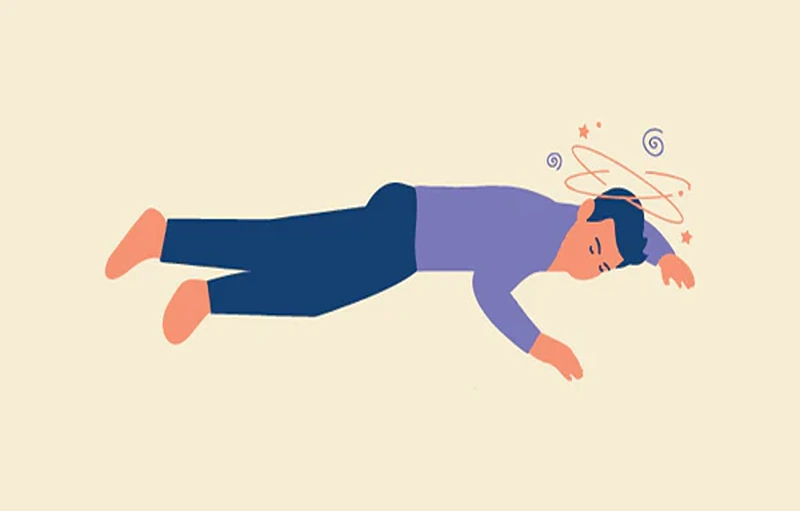
Fainting, medically called syncope, is not a disease in itself but a symptom of something affecting the body's ability to maintain steady blood flow to the brain. It usually feels sudden, but inside the body, fainting follows a chain of events where blood pressure drops, oxygen levels fall, and the brain briefly shuts down to protect itself. Most people regain consciousness within seconds or minutes, often feeling weak, confused, or sweaty after waking up.
Although fainting can happen after standing for a long time, getting overheated, or feeling strong emotions like fear or pain, it becomes concerning when it strikes without warning or during activities like exercise. In some cases, fainting may be the body’s early signal of heart rhythm problems, nervous system disorders, or blood pressure issues.
Types of Syncope
Fainting can happen for different reasons, and doctors often classify it into specific types based on what triggers the episode.
1. Vasovagal Syncope
This is the most common type of fainting. It happens when the body reacts strongly to certain triggers like pain, emotional stress, the sight of blood, or standing for too long. The nervous system causes a sudden drop in heart rate and blood pressure, leading to reduced blood flow to the brain.
2. Situational Syncope
Situational syncope occurs during specific activities that put pressure on certain nerves in the body. It can happen when coughing, swallowing, urinating, passing stools, or even laughing. The activity temporarily affects blood pressure or heart rate, causing a fainting spell.
3. Orthostatic Hypotension
This type happens when a person stands up too quickly after sitting or lying down. The body fails to adjust the blood pressure fast enough, resulting in a brief loss of consciousness. Elderly, people who are dehydrated, and those on certain medications are more likely to experience this type.
4. Cardiac Syncope
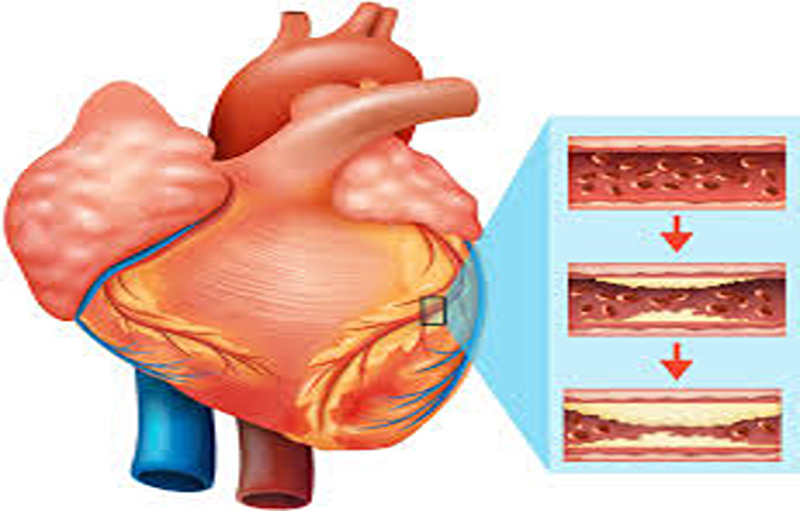
Cardiac syncope is caused by heart problems that interfere with blood flow to the brain. Conditions like irregular heart rhythms (arrhythmias), heart valve disease, or structural heart defects can all lead to this type of fainting. Because it can be a sign of serious heart disease, it often needs urgent medical attention.
5. Neurological Syncope
Although less common, neurological syncope can happen when the brain’s regulation of blood flow is disrupted by conditions like seizures, strokes, or transient ischaemic attacks (TIAs). In these cases, fainting is usually one of several neurological symptoms.
What Causes Fainting?
Fainting can happen for many reasons, some of which are harmless and some that may signal a more serious health issue.
Common Harmless Causes
What Should You Do If Someone Faints?
Fainting can be unsettling, but knowing how to respond can ensure the person’s safety and help them recover more quickly. Here are the steps to follow if someone faints:
|
|









|