17-Sat-Oct-2026


|

 Author :
Dr. Sheikh Jeelani
/
BNYS | FTECH
Author :
Dr. Sheikh Jeelani
/
BNYS | FTECH
Weight loss is one of the most searched topics worldwide, and yet, it is surrounded by countless myths and misconceptions. Every day, new “quick fixes” and “miracle diets” promise magical results, leaving people confused and frustrated. The truth is, sustainable weight loss comes from balanced nutrition, consistency, and lifestyle changes—not fad diets. Let’s bust some common myths and look at the real facts about dieting for weight loss.
Myth 1: Carbs Are the Enemy
Fact: Not all carbs are bad. Whole grains, fruits, vegetables, and legumes provide essential fiber, vitamins, and minerals. Cutting out carbs entirely may lead to energy loss, cravings, and nutrient deficiencies. Instead, focus on reducing refined carbs (white bread, sugary foods) and include complex carbs for long-lasting energy.
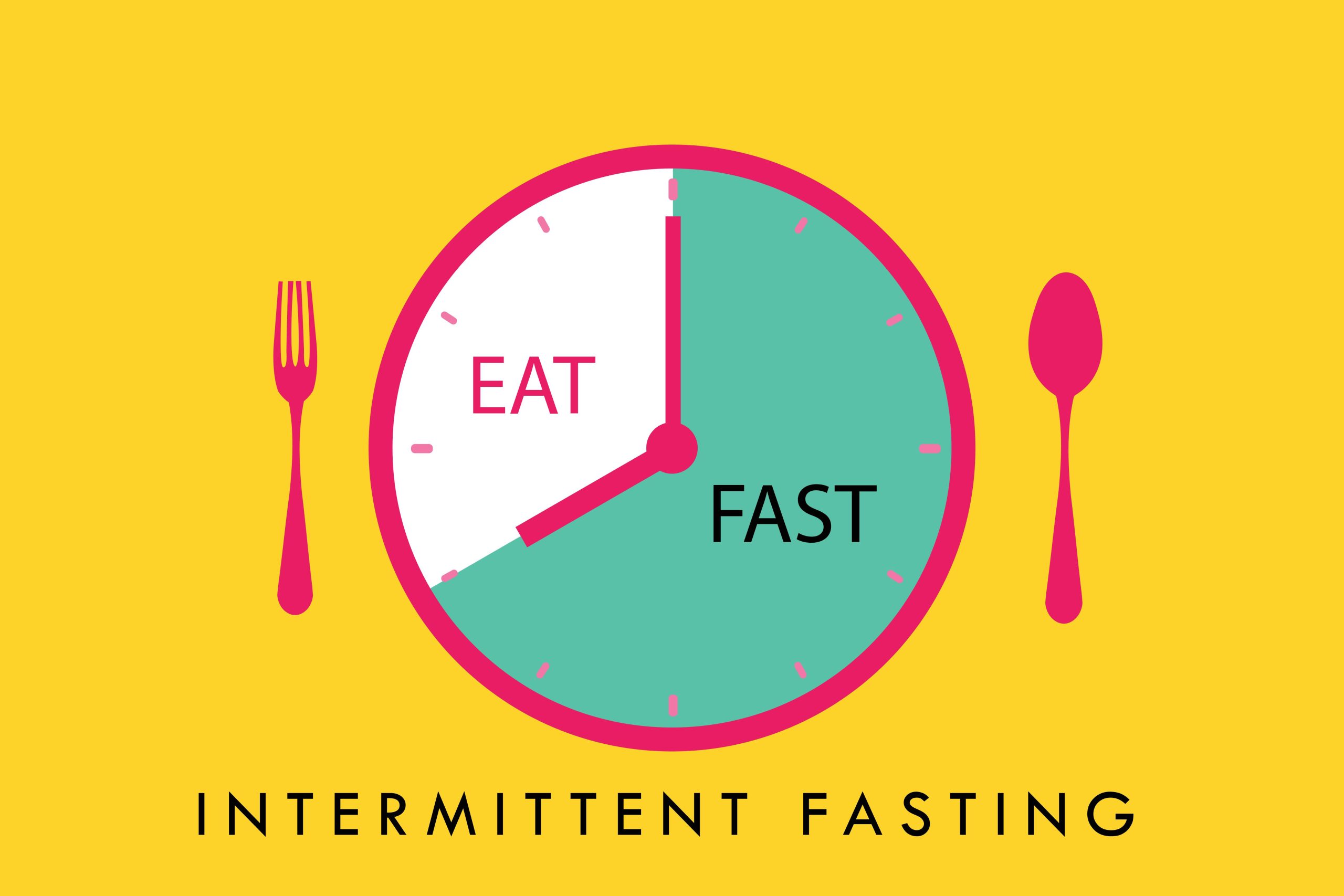
Myth 2: Skipping Meals Helps You Lose Weight
Fact: Skipping meals often backfires. It slows down your metabolism and increases hunger, which can lead to overeating later. Eating balanced meals and healthy snacks keeps your metabolism active and helps control appetite.
Myth 3: Fats Make You Fat
Fact: Healthy fats are essential for your body. Avocados, nuts, seeds, olive oil, and fatty fish provide good fats that support heart health, hormone balance, and satiety. It’s the excess calories—not fats alone—that contribute to weight gain.
Myth 4: Detox Diets and Juices Burn Fat Quickly
Fact: Detox diets and juice cleanses may cause quick water loss, but they don’t actually “detox” your body or burn fat. Your liver and kidneys naturally detoxify your body. Instead of relying on juices, eat whole fruits, vegetables, and drink enough water to support natural detoxification.
Myth 5: You Have to Starve to Lose Weight
Fact: Starving your body deprives it of essential nutrients and may lead to muscle loss instead of fat loss. The key is creating a calorie deficit by eating nutritious foods in the right portions while staying active.
Myth 6: High-Protein Diets Are the Only Way to Lose Weight
Fact: While protein is important for muscle repair and satiety, an extreme high-protein diet is not the only solution. A balanced diet with protein, carbs, fats, fiber, vitamins, and minerals is more sustainable and healthier in the long run.
Myth 7: All Calories Are Equal
Fact: Quality matters as much as quantity. 200 calories from soda and 200 calories from a bowl of salad affect your body very differently. Nutrient-dense foods (like whole grains, vegetables, and lean protein) provide satiety and nourishment, while empty-calorie foods promote cravings and weight gain.
Myth 8: Diet Alone Is Enough
Fact: While diet plays a major role, exercise, sleep, stress management, and hydration are equally important for sustainable weight loss. A holistic lifestyle approach is more effective than just focusing on food alone.
Weight loss doesn’t have to be about extreme diets or punishing restrictions. It’s about making informed, realistic, and healthy choices. Don’t fall for quick-fix myths—stick to a balanced diet, control portions, and maintain consistency. Remember: the goal should not just be losing weight, but gaining health.
|
|








|