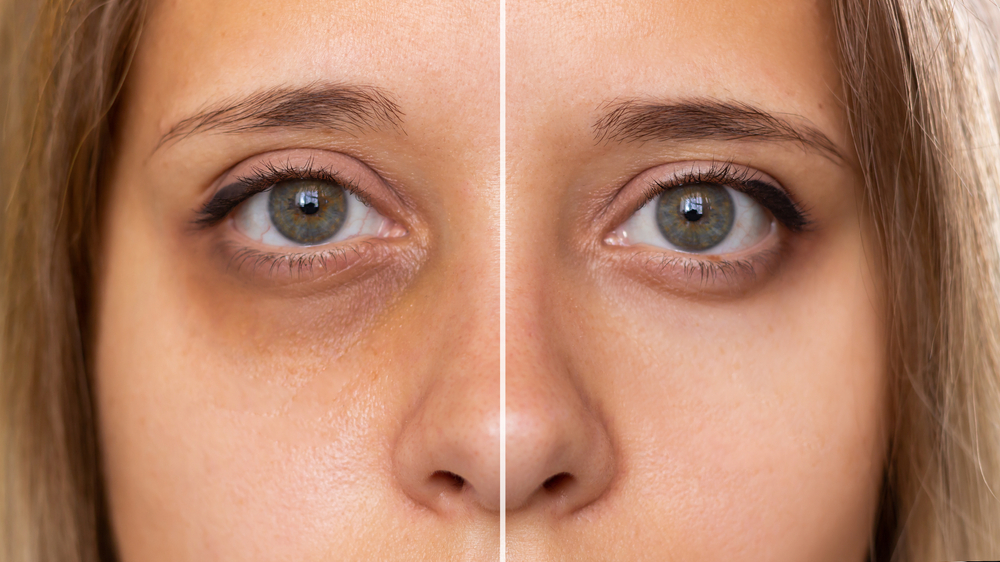
Dark Circles Demystified
What Causes Dark Circles Under the Eyes?
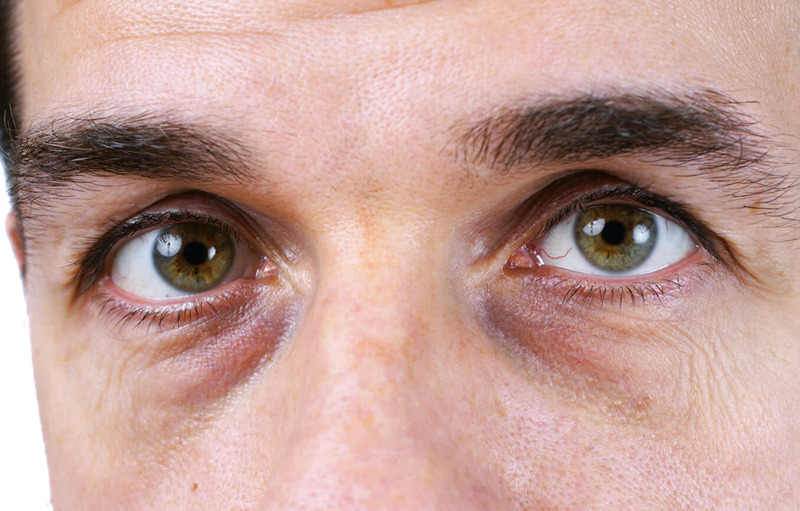
Dark circles under the eyes can be attributed to various factors, often working in combination. Understanding these causes is crucial for effectively addressing and managing their appearance. Here are some of the primary causes:
- Genetics: Genetic predisposition plays a significant role in the development of dark circles. If your parents or close relatives have dark circles, you are more likely to develop them as well.
- Dermatitis: Conditions like eczema and contact dermatitis can cause inflammation and pigmentation changes around the eyes, leading to dark circles.
- Rubbing the eyes: Frequent rubbing or touching the eyes can cause the delicate skin around the eyes to become irritated and darken over time.
- Lack of sleep: Inadequate sleep can cause the skin to become pale and dull, making the blood vessels beneath the eyes more visible and giving the appearance of dark circles.
- Hyperpigmentation: Excess melanin production can cause dark pigmentation under the eyes, which is more common in people with darker skin tones.
- Dehydration: When the body is dehydrated, the skin under the eyes can appear dull and sunken, highlighting dark circles.
- Lifestyle factors: Poor diet, smoking, and excessive alcohol consumption can contribute to the appearance of dark circles.
- Allergies (such as hay fever): Allergic reactions can cause itching, swelling, and fluid accumulation under the eyes, leading to dark circles.
- Reduced fatty tissue around the eyes: As we age, the loss of fatty tissue and collagen around the eyes can make blood vessels more visible, resulting in dark circles.
- Thinning skin under the eyes: Aging also causes the skin to thin, making the blood vessels under the eyes more prominent.
- Iron deficiency/Anaemia: Low levels of iron can reduce oxygen supply to the tissues, causing the skin under the eyes to darken.
- Overexposure to sunlight: Excessive sun exposure can increase melanin production, leading to pigmentation changes and dark circles.
- Thyroid conditions: Thyroid problems can affect the skin, leading to puffiness and discoloration under the eyes.
How are Dark Circles Under Eyes Treated?
Treating dark circles under the eyes may involve a combination of home remedies and medical treatments. The choice of treatment depends on the underlying cause and the severity of the dark circles.
Home treatment
- Get more sleep: Ensuring you get sufficient and quality sleep can help reduce the appearance of dark circles. Aim for 7-9 hours of sleep per night to allow your body to rest and repair.
- Use more pillows: Elevating your head with an extra pillow can prevent fluid from pooling under your eyes, which can reduce puffiness and dark circles.
- Cold compress: Applying a cold compress can constrict blood vessels and reduce swelling, making dark circles less noticeable. Use a cold washcloth, chilled cucumber slices, or a bag of frozen peas for this purpose.
- Facials: Regular facials that include gentle massage can improve circulation around the eyes, helping to reduce dark circles.
- Makeup: Using concealers and colour correctors can effectively hide dark circles temporarily. Choose a shade that matches your skin tone and provides good coverage.
Medical treatment options
- Topical creams and bleaching agents: Products containing ingredients like hydroquinone, retinoids, and kojic acid can help lighten hyperpigmented areas under the eyes.
- Chemical peels: Mild chemical peels with alpha hydroxy acids (AHAs) can help lighten dark pigmentation and improve skin texture.
- Laser therapy: Laser treatments can target pigmentation and stimulate collagen production, reducing the appearance of dark circles.
- Topical vitamin C: Known for its antioxidant properties, vitamin C can brighten the skin and reduce the appearance of dark circles.
How can Dark Circles Under Eyes Be Prevented?
Preventing dark circles involves making lifestyle changes and adopting healthy habits that protect and nourish the delicate skin around the eyes. Here are some effective strategies:
- Use sun protection: Protecting your skin from the sun’s harmful UV rays can prevent pigmentation changes and skin damage. Apply a broad-spectrum sunscreen with at least SPF 30, wear sunglasses, and consider wearing a wide-brimmed hat when outdoors.
- Adjust your sleep schedule: Ensure you get enough sleep each night. Aim for 7-9 hours of quality sleep to help your body repair and regenerate skin cells, which can reduce the appearance of dark circles.
- Reduce stress: Chronic stress can take a toll on your skin, including the delicate area under your eyes. Practice stress-reducing activities such as yoga, meditation, or deep breathing exercises to help maintain healthy skin.
- Cut down on drinking: Excessive alcohol consumption can dehydrate the skin and dilate blood vessels, making dark circles more prominent. Reducing your alcohol intake can help keep your skin hydrated and healthy.
- Quit smoking/using tobacco products: Smoking and tobacco use can damage the skin and reduce blood flow, contributing to the appearance of dark circles. Quitting smoking can improve overall skin health and reduce under-eye discolouration.



 Author :
Dr. Sheikh Jeelani
/
BNYS | FTECH
Author :
Dr. Sheikh Jeelani
/
BNYS | FTECH