25-Sat-Jul-2026


|
 Author :
Dr. Sheikh Jeelani
/
BNYS | FTECH
Author :
Dr. Sheikh Jeelani
/
BNYS | FTECH
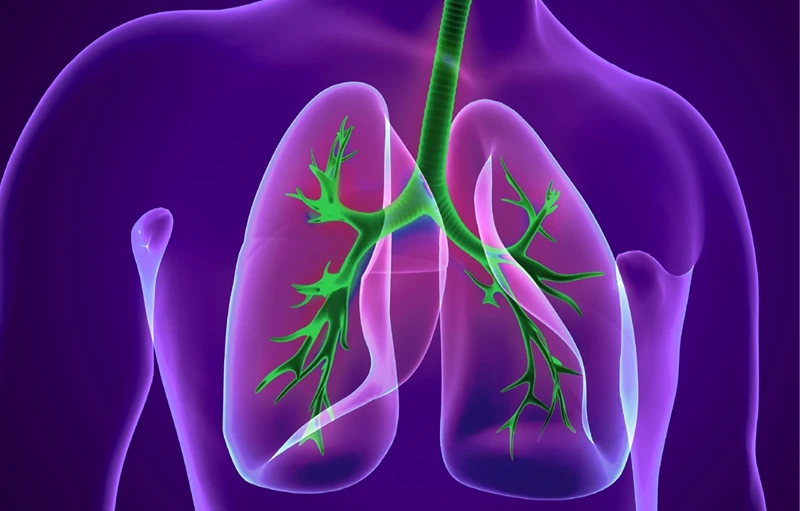
Chronic Obstructive Pulmonary Disease (COPD) is a long-term, progressive lung disease that makes it hard to breathe. It is not just one condition but a group of diseases — mainly chronic bronchitis and emphysema — that damage the airways and air sacs in the lungs. COPD is one of the leading causes of illness and death worldwide, yet many people remain unaware they even have it until the disease has advanced.
What is COPD?
COPD is characterized by persistent respiratory symptoms and airflow limitation. Over time, the lungs lose their elasticity, airways become inflamed, and mucus production increases, making it difficult for air to move in and out.
Main Causes & Risk Factors
The leading cause of COPD is long-term exposure to harmful particles or gases, especially:
Smokers are at the highest risk, but non-smokers can also develop COPD due to pollution and genetic factors.
Common Symptoms of COPD
Symptoms usually appear gradually and worsen over time:
As COPD progresses, even simple activities like walking, climbing stairs, or dressing can feel exhausting.
Diagnosis of COPD
Doctors diagnose COPD using:
Treatment & Management
While COPD cannot be cured, early diagnosis and proper management can improve quality of life. Treatments include:
Lifestyle Tips for COPD Patients
Living with COPD
Living with COPD can be challenging, but with proper care, support, and lifestyle changes, patients can manage symptoms and live a fulfilling life. Awareness and early medical attention are the keys to slowing disease progression.
|
|









|