26-Mon-Oct-2026


|
 Author :
Dr. Sheikh Jeelani
/
BNYS | FTECH
Author :
Dr. Sheikh Jeelani
/
BNYS | FTECH
What is a Food Allergy?
A food allergy is an abnormal immune system reaction to certain proteins found in specific foods. When someone with a food allergy eats, touches, or sometimes even inhales tiny amounts of that food, their immune system mistakenly identifies these food proteins as harmful invaders (like viruses or bacteria) and triggers a defense response.
How Does a Food Allergy Work?
The first time a person with a food allergy is exposed to the allergenic food, their immune system wrongly recognizes a protein in that food as a threat. The immune system responds by producing specific antibodies called IgE (Immunoglobulin E) against that food protein. This process is called sensitization. The person may not show any symptoms during this first exposure.
Subsequent Exposure and Reaction:
When the person eats or comes into contact with the allergenic food again, the IgE antibodies recognize the protein and bind to it. This triggers immune cells (like mast cells and basophils) to release chemicals such as histamine and other inflammatory mediators. These chemicals cause the symptoms of an allergic reaction.Symptoms of Food Allergy
Symptoms can range from mild to severe and can affect different parts of the body. They typically appear within minutes to a few hours after exposure.
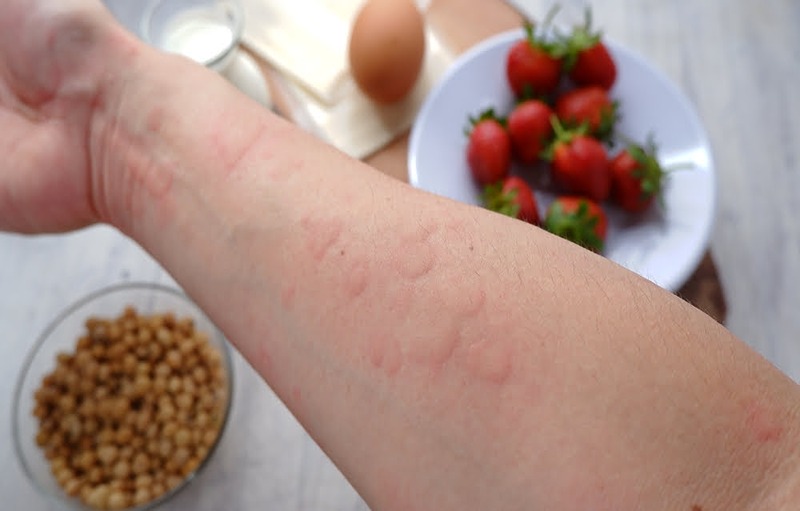
Skin: Hives, itching, redness, swelling, eczema
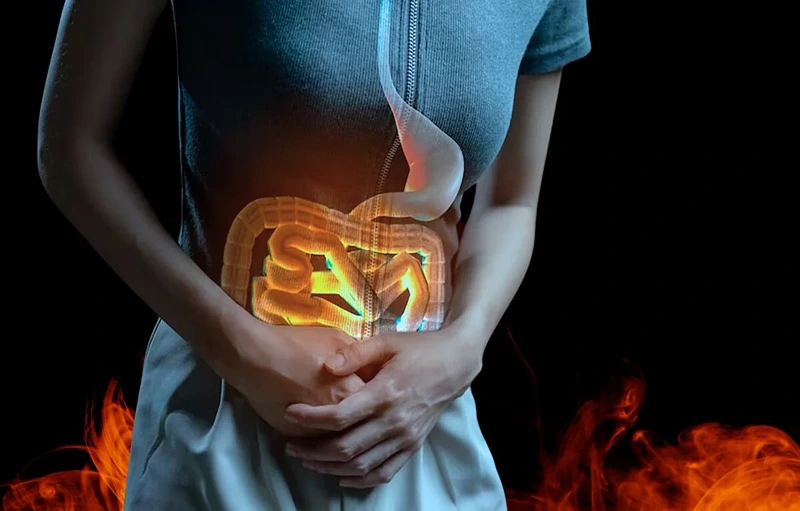
Digestive system: Nausea, vomiting, diarrhea, abdominal pain
Respiratory system: Sneezing, coughing, wheezing, nasal congestion, shortness of breath
Cardiovascular system: Dizziness, fainting, rapid heartbeat, drop in blood pressure
Anaphylaxis: A severe, life-threatening allergic reaction that can cause airway swelling, difficulty breathing, a sudden drop in blood pressure, and loss of consciousness.
Diagnosis
Medical history and symptom review: The doctor asks about symptoms and possible food triggers.
Skin prick test: Small amounts of food allergens are placed on the skin to see if a reaction occurs.
Blood tests: Measure the level of food-specific IgE antibodies.
Oral food challenge: Under medical supervision, the patient consumes small amounts of the suspected allergen to observe reactions.
Treatment
Avoidance: The primary treatment is strict avoidance of the offending food.
Emergency medications:
Antihistamines for mild reactions
Epinephrine (adrenaline) auto-injectors (e.g., EpiPen) for severe reactions (anaphylaxis)
Allergy action plan: Patients should have a plan that details what to do if exposed.
Education: Understanding food labels and cross-contamination risks is vital.
Difference Between Food Allergy and Food Intolerance
Food allergy involves the immune system and can cause severe or life-threatening reactions.
Food intolerance is generally related to digestion (like lactose intolerance) and usually causes less severe symptoms like bloating or diarrhea.
Why Does Food Allergy Occur?
The exact cause is not fully understood, but factors may include:
Genetics: Family history of allergies increases risk.
Environmental factors: Early exposure to certain foods or lack thereof.
Immune system development: Abnormal immune regulation can cause allergic sensitization.
|
|








|