26-Mon-Oct-2026


|
 Author :
Dr. Mohd Zahoor Bhat
/
BAMS
Author :
Dr. Mohd Zahoor Bhat
/
BAMS
How to Manage Stress in a Fast-Paced World
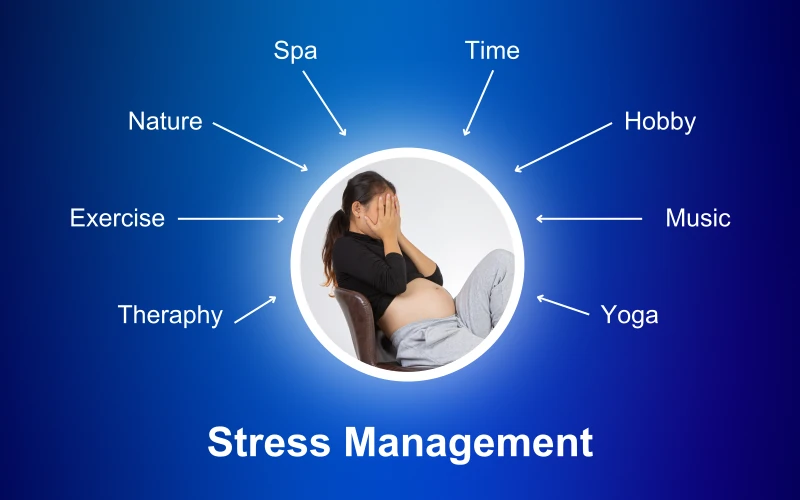
In today’s world, we live life at lightning speed. Deadlines, digital distractions, constant notifications, and endless responsibilities — all combine to create a storm of stress that seems hard to escape. While we can’t slow down the world, we can learn to navigate it more mindfully. Managing stress is not about escaping pressure, but about strengthening our ability to handle it with clarity and calm.
Understanding Modern Stress
Stress is the body’s natural reaction to challenges or demands. A little stress can motivate us — but chronic, unmanaged stress can lead to anxiety, sleep problems, fatigue, and even long-term health issues like high blood pressure and heart disease.
In our fast-paced world, stress often comes from:
Information overload – too much news, social media, and digital noise.
Work pressure – tight deadlines and competitive environments.
Lack of boundaries – difficulty separating work from personal life.
Perfectionism – trying to meet unrealistic standards.
Neglecting self-care – ignoring physical and emotional needs.
The good news? With the right tools and mindset, you can take control.
1. Practice Mindfulness and Meditation
Mindfulness means focusing on the present moment — observing your thoughts and emotions without judgment. Even 10 minutes of meditation a day can lower cortisol levels and improve emotional balance.
Try this: Start your morning with deep breathing — inhale for 4 seconds, hold for 4, exhale for 4. Repeat five times.
2. Set Boundaries and Prioritize
You can’t do everything at once — and that’s okay. Learn to say no when necessary and delegate when possible. Prioritize tasks using the Eisenhower Matrix (urgent vs. important) to stay organized and focused.
Tip: Turn off notifications during work hours and avoid checking emails late at night.
3. Move Your Body
Physical activity is one of the best natural stress relievers. Exercise releases endorphins — your brain’s “feel-good” chemicals. Whether it’s a walk, yoga session, or dance break, moving your body helps clear your mind and improve mood.
Try this: Take a 15-minute walk outside after lunch to reset your energy and focus.
4. Prioritize Sleep
A tired mind amplifies stress. Aim for 7–8 hours of quality sleep each night. Build a bedtime routine — dim the lights, avoid screens an hour before bed, and practice gratitude journaling to calm your mind.
5. Stay Connected
Human connection reduces stress. Talking to friends, family, or even a counselor helps you process emotions and gain perspective. Isolation, on the other hand, can magnify anxiety.
Tip: Schedule “digital-free dinners” with loved ones — no phones, just conversation.
6. Nourish Your Body
Your diet directly affects how you handle stress. Include foods rich in omega-3s (like salmon), magnesium (like leafy greens), and antioxidants (like berries). Limit caffeine and sugar, which can heighten anxiety.
Hydrate often — even mild dehydration can affect mood and focus.
7. Unplug Regularly
Constant screen time drains mental energy. Designate “no-screen zones” — perhaps the first 30 minutes after waking up or before sleeping. Disconnect to reconnect with yourself.
8. Practice Gratitude and Positivity
A gratitude mindset shifts focus from what’s wrong to what’s right. Keep a journal and list three things you’re thankful for daily — it rewires your brain to feel more content and less stressed.
Final Thoughts
The pace of the world may never slow down — but you can. Managing stress is about balance: creating moments of calm within the chaos. Small daily habits — mindfulness, movement, connection, and gratitude — can transform how you experience life.
Remember, peace is not found in slowing down the world — it’s found in slowing down within yourself.
|
|










|