25-Wed-Nov-2026


|
 Author :
Dr. Sheikh Jeelani
/
BNYS | FTECH
What is Hepatitis?
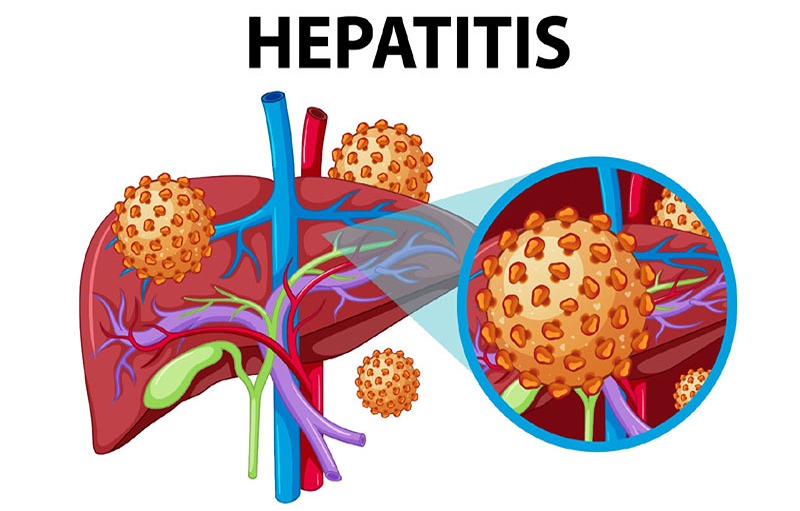
Hepatitis is the inflammation of the liver, which can be caused by infections, toxins, autoimmune disorders, or excessive alcohol use. The most common form is viral hepatitis, caused by five main types of viruses: Hepatitis A, B, C, D, and E.
Risk Factors for Hepatitis
Hepatitis can affect anyone, but certain factors significantly increase the risk.
Viral Transmission
Lifestyle Choices
Excessive alcohol consumption weakens the liver and can lead to alcoholic hepatitis.
Unhygienic tattooing or piercing practices can transmit Hepatitis B and C.
Medical Conditions and Genetic Factors
Individuals with weakened immune systems are at greater risk of developing serious infections.
Individuals with a family history of chronic hepatitis or liver disease are more vulnerable.
Occupation and Environment
Healthcare workers are at a greater risk due to frequent exposure to blood.
Living in areas with poor sanitation or high rates of infection increases vulnerability.
Recognising the Symptoms of Hepatitis
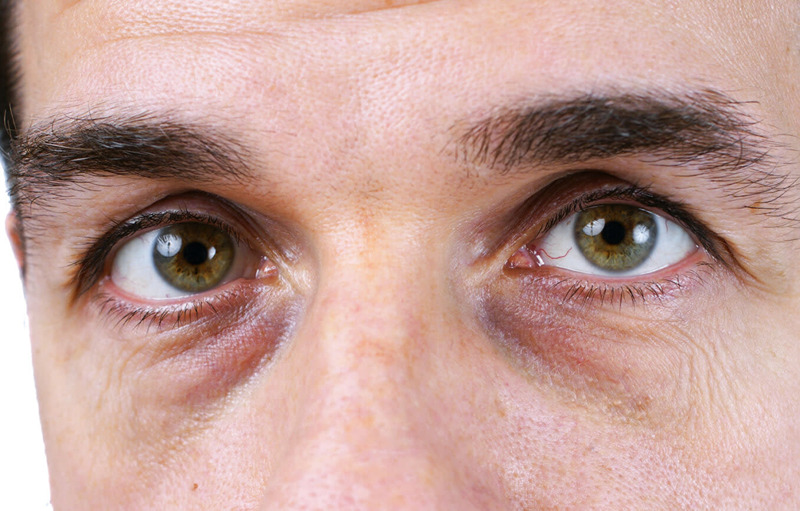
In the early stages, hepatitis often shows no symptoms, making it a silent threat. As the disease progresses, some common symptoms include:
If you experience these symptoms, it is crucial to seek medical attention immediately.
Diagnosis of Hepatitis
Doctors diagnose hepatitis using:
Hepatitis Treatment Options
The treatment for hepatitis depends on the type and severity of infection.
Usually resolve on their own with rest, proper hydration, and a healthy diet.
Good hygiene practices help prevent reinfection.
No complete cure yet, but antiviral medications help control the virus and reduce liver damage.
Regular monitoring and lifestyle adjustments are essential.
Vaccination is available to prevent Hepatitis B infection.
Modern antiviral drugs can cure most cases within 2–3 months.
Early treatment significantly reduces the risk of complications like cirrhosis and cancer.
Managed with medications to control liver inflammation, often combined with treatment for Hepatitis B.
How to Protect Yourself from Hepatitis
Conclusion
Hepatitis is a serious but preventable and treatable condition. Early detection, timely medical intervention, and lifestyle changes can help protect your liver and prevent long-term complications. If you suspect any symptoms or fall under high-risk groups, consult a healthcare professional immediately for screening and guidance. Your liver health is too important to ignore.
Frequently Asked Questions
1. Can hepatitis go away on its own?
Some forms like Hepatitis A and E may resolve on their own, but chronic types like Hepatitis B and C require medical treatment.
2. Is there a cure for Hepatitis B?
Currently, there is no complete cure, but antiviral medicines can effectively manage the infection and prevent complications.
3. Who should get vaccinated against Hepatitis?
All children, unvaccinated adults, healthcare workers, and people at risk of exposure should get vaccinated for Hepatitis A and B.
4. Can I drink alcohol if I have hepatitis?
No, alcohol can worsen liver inflammation and speed up liver damage.
5. How often should I get screened for hepatitis?
People at high risk (healthcare workers, individuals with multiple sexual partners, those with a family history of liver disease) should undergo regular screening as advised by their doctor. All pregnant women in their first trimester need to be screened for Hepatitis B. All adults and adolescents need to be screened at least once in their lifetime for Hepatitis B & C.
|
|









|