25-Sat-Jul-2026


|
 Author :
Dr. Sheikh Jeelani
/
BNYS | FTECH
Author :
Dr. Sheikh Jeelani
/
BNYS | FTECH
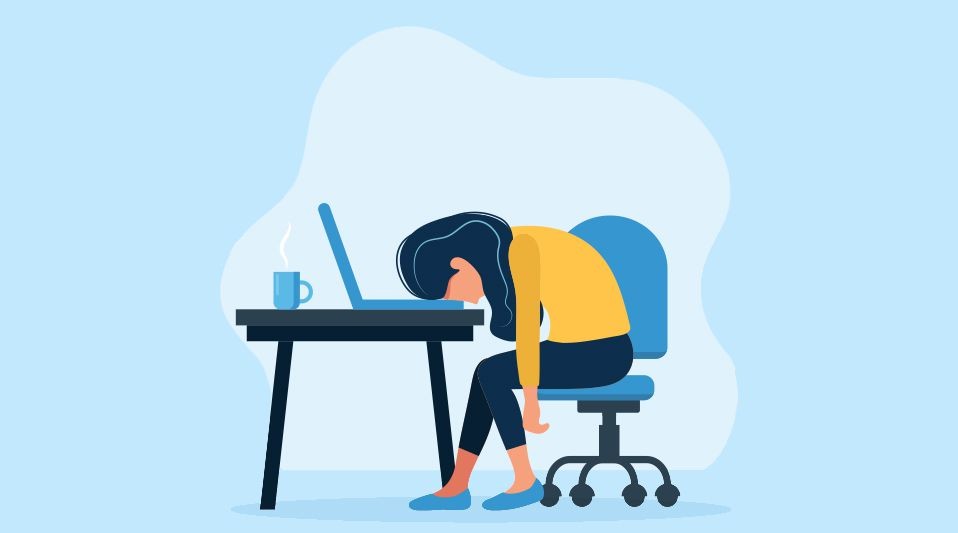
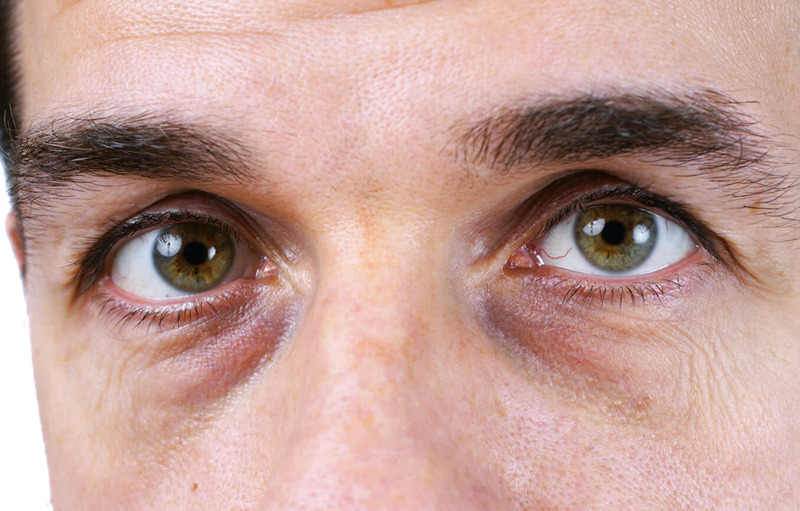
Drowsiness is a feeling of being unusually sleepy or tired during the day. It can make it hard to stay awake, focus on tasks, or stay mentally alert. Some people describe it as feeling heavy, slow, or foggy, even if they had what seemed like enough sleep the night before. You may find yourself yawning more often, struggling to keep your eyes open, or feeling the urge to lie down and rest, even in the middle of normal activities.
What Causes Drowsiness?
Drowsiness can have many possible causes, ranging from sleep habits to underlying medical conditions. It’s important to understand what might be contributing to it so that the right steps can be taken to manage or treat it.
Simple Home Remedies for Drowsiness
If you're feeling drowsy and tired throughout the day, there are several simple home remedies that can help you feel more awake and alert. These remedies focus on improving your sleep quality, boosting your energy, and helping you feel refreshed without needing to rely on medications.
Make sure you're getting enough sleep each night (7-9 hours for most adults). To improve your sleep quality:
Dehydration can lead to tiredness and sluggishness. Drinking enough water throughout the day can help prevent drowsiness. Aim for 8 glasses of water a day, and more if you're active or in hot weather. Herbal teas (like chamomile or ginger tea) can also be refreshing and calming.
Physical activity can combat fatigue. A brisk walk or light exercise can increase your energy levels and help you feel more awake. Even a few minutes of stretching or light movement can get your blood flowing and reduce feelings of sleepiness.
Certain foods can provide a natural energy boost and help reduce drowsiness.
If you feel overly tired, a quick power nap (10-20 minutes) can help you recharge. Napping for too long or too late in the day can affect your nighttime sleep, so try to limit naps to earlier in the day.
Stress and anxiety can contribute to drowsiness. Practicing deep breathing exercises or meditation can help calm your mind, reduce stress, and improve focus. Even a few minutes of mindful breathing can help you feel more awake.
Natural light helps regulate your body's internal clock and can improve your alertness. Try to spend some time outdoors in the morning or sit near a window to get some sunlight. This can help boost your mood and reduce feelings of tiredness.
Drinking too much coffee or energy drinks can interfere with your sleep later, making you feel even more tired the next day. Instead, try consuming caffeine in moderation and avoid it in the afternoon.
Certain herbs, like ginseng or Rhodiola, are known for their energy-boosting properties. However, always consult with your doctor before taking herbal supplements, especially if you’re on other medications, to avoid any potential interactions.
Massaging your neck, shoulders, or temples can help reduce physical tension and improve circulation, which might help you feel more awake. Some people also find that acupressure points, such as pressing the space between your thumb and index finger, can provide relief from fatigue.
|
|









|