23-Wed-Sep-2026


|
 Author :
Dr. Sheikh Jeelani
/
BNYS | FTECH
Author :
Dr. Sheikh Jeelani
/
BNYS | FTECH
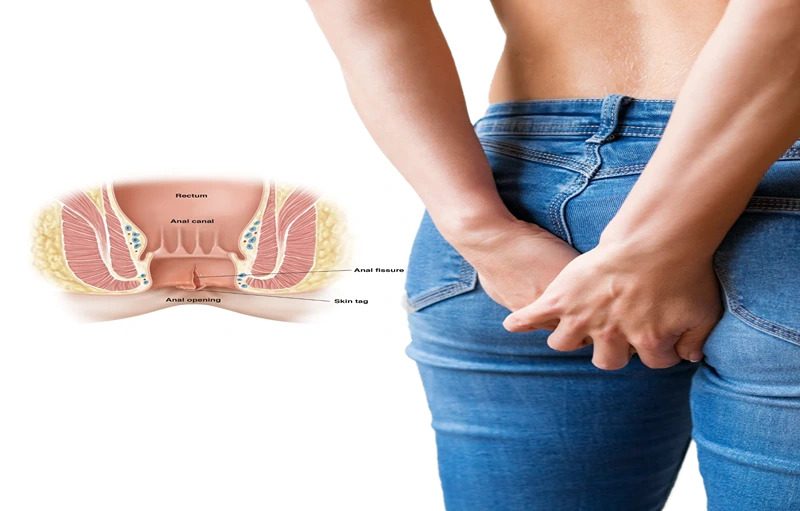
What is an anal fissure?
An anal fissure is a small tear or cut in the thin, delicate tissue (mucosa) that lines the anus, typically caused by trauma such as passing hard or large stools, prolonged constipation, or repeated episodes of diarrhea. This tear can lead to intense pain, especially during or after bowel movements, and may also cause bleeding, usually seen as bright red blood on the stool or toilet paper. In many cases, the condition is acute and heals on its own within a few weeks through conservative measures like increasing dietary fiber, drinking plenty of water, using stool softeners, and taking warm sitz baths to relax the anal muscles and promote healing. However, if the fissure becomes chronic—lasting more than six weeks—it may be due to underlying problems like persistent constipation, muscle spasms in the anal sphincter, or inflammatory bowel diseases such as Crohn’s disease. Chronic fissures are less likely to heal without medical intervention and may require topical medications like nitroglycerin or calcium chan
Causes of Anal Fissures:
Symptoms:
Types of Anal Fissures:
Treatment:
Most anal fissures heal on their own, but treatments can speed up healing and relieve discomfort:
Home Remedies:
Medical Treatments:
Surgery:
Prevention:
|
|








|