

Echo

Weekly Updates

Let's join our newsletter!

Do not worry we don't spam!

Dr Thangs

What Is IBS? Symptoms, Causes, and Treatment Options

  Author : Dr. Sheikh Jeelani   / BNYS | FTECH

What is IBS?

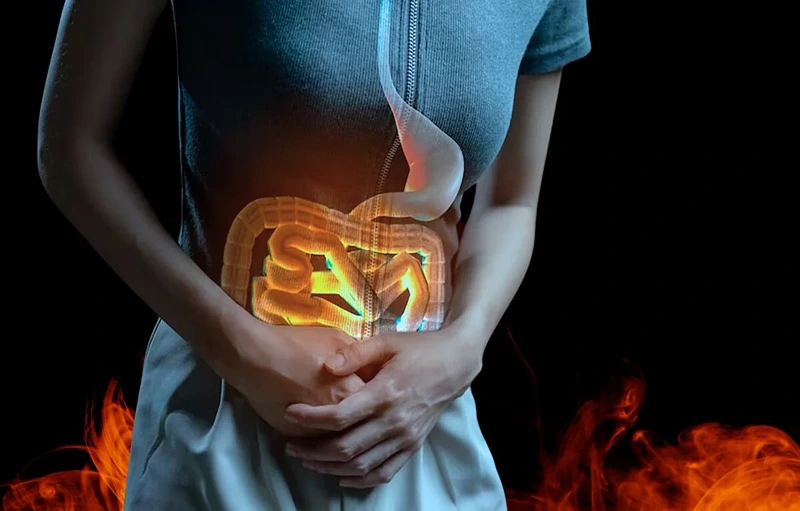
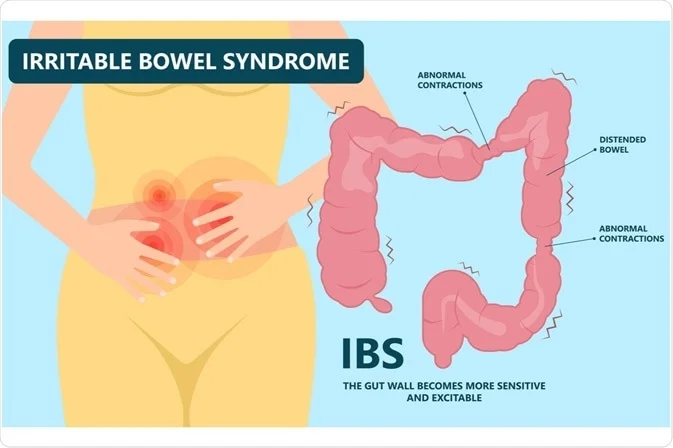
Irritable Bowel Syndrome (IBS) is a functional gastrointestinal (GI) disorder, meaning the digestive tract looks normal but doesn’t work properly. It mainly affects the large intestine (colon), causing a group of symptoms that occur together. Unlike structural diseases (like ulcers or cancer), IBS does not cause permanent damage to the intestines.

It’s a chronic condition that requires long-term management, though symptoms may come and go.

Common Symptoms of IBS

Symptoms vary from person to person, but usually include:

  • Abdominal pain or cramping (relieved by passing stool in many cases)
  • Changes in bowel habits:

              - Diarrhea (IBS-D)

              - Constipation (IBS-C)

              - Mixed type (IBS-M – alternating diarrhea & constipation)

  • Bloating & excess gas
  • Mucus in stool
  • Feeling of incomplete evacuation after bowel movement

Types of IBS

 Based on bowel habit patterns:

  • IBS-C (Constipation-predominant)

Hard, lumpy stools

Straining during bowel movement

  • IBS-D (Diarrhea-predominant)

Loose, watery stools

Sudden, urgent bowel movements

  • IBS-M (Mixed type)

Alternates between constipation & diarrhea

  • IBS-U (Unclassified)

Doesn’t fit neatly into above categories

The exact cause is unknown, but likely due to multiple factors:

Causes & Risk Factors

  • Gut-brain interaction problems → abnormal signaling between brain & intestines.
  • Gut motility issues → food moves too fast (diarrhea) or too slow (constipation).
  • Visceral hypersensitivity → intestines are more sensitive to pain.
  • Microbiome imbalance → altered gut bacteria.
  • Stress & anxiety → worsens symptoms.
  • Food intolerances → certain foods trigger flare-ups (like dairy, caffeine, gluten, fatty foods).
  • Post-infectious IBS → develops after stomach infection.

Risk factors:

  • Young age (common under 50)
  • Female gender (more prevalent in women)
  • Family history of IBS
  • History of stress, anxiety, depression, or trauma

Diagnosis

There is no specific test for IBS. Doctors diagnose it based on:

  • Rome IV Criteria: Abdominal pain at least 1 day per week in the last 3 months, plus 2 of:
  • Related to defecation
  • Associated with change in stool frequency
  • Associated with change in stool form
  • Rule out other conditions (like celiac disease, Crohn’s disease, ulcerative colitis, infections, lactose intolerance).

Tests may include:

  • Blood tests
  • Stool tests
  • Colonoscopy (if alarm symptoms like weight loss, bleeding, anemia are present)

Treatment & Management

There’s no cure, but symptoms can be managed through lifestyle, diet, and medication.

1. Lifestyle changes

  • Regular exercise
  • Stress management (yoga, meditation, counseling)
  • Adequate sleep

2. Dietary changes

  • Low FODMAP diet (avoiding fermentable foods like onions, beans, artificial sweeteners)
  • Limit caffeine, alcohol, fatty foods, dairy (if lactose intolerant)
  • Eat small, frequent meals
  • High-fiber diet (for IBS-C) but avoid excessive fiber if bloating is severe

3.Medications (depending on type of IBS)

  • For IBS-C: Laxatives (polyethylene glycol), Lubiprostone, Linaclotide
  • For IBS-D: Loperamide (anti-diarrheal), Rifaximin (antibiotic), Eluxadoline
  • For pain & cramps: Antispasmodics (Dicyclomine, Hyoscine), Peppermint oil
  • For anxiety/depression-related IBS: Low-dose antidepressants (SSRIs, TCAs)

4.Psychological therapies

  • Cognitive behavioral therapy (CBT)
  • Gut-directed hypnotherapy

Prognosis

IBS is not life-threatening and does not increase cancer risk.

Symptoms can be long-lasting and bothersome, but many people can manage them well with proper lifestyle, diet, and medication.

Final Thought

IBS is a chronic gut-brain disorder causing abdominal pain, bloating, and irregular bowel habits. It’s diagnosed clinically after excluding other diseases. Management focuses on diet, lifestyle, stress control, and medications tailored to symptom type.

Control IBS before it controls you.

Tags:


You Might Also Like