03-Sat-Oct-2026


|

 Author :
Dr. Sheikh Jeelani
/
BNYS | FTECH
Author :
Dr. Sheikh Jeelani
/
BNYS | FTECH
What Are Warts?
Warts are small, rough growths on the skin caused by a virus. They can show up on almost any part of your body and can look different depending on the type. Some are flat, while others are hard and bumpy.
Warts happen when a virus infects the top layer of your skin and causes it to grow more than usual. Although warts aren’t usually dangerous, they are contagious and can spread to other people or other parts of your body.
What Causes Warts?
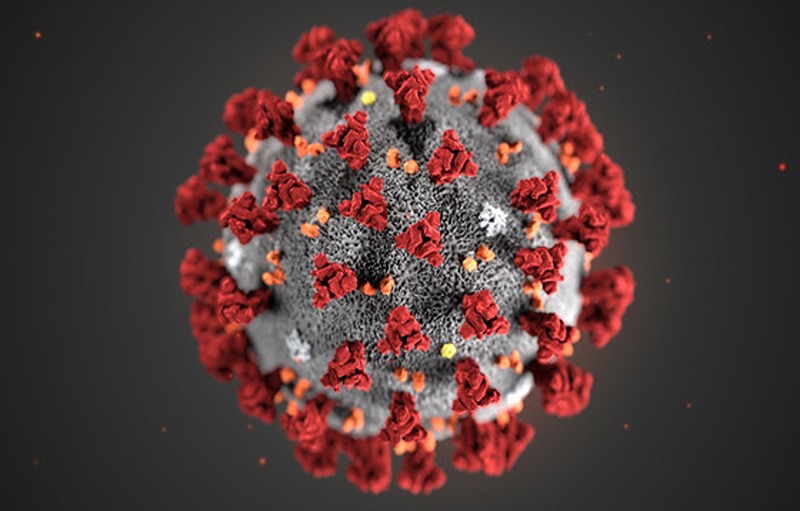
Warts are caused by a virus called human papillomavirus (HPV). It enters your skin through small cuts or openings. A few things can increase your chances of getting warts:
How Do Warts Spread?
Warts are easy to pass from one person to another—or to different areas of your own body. Here’s how they spread:
Types of Warts
Warts can look and feel different depending on the type and where they are on your body. Here are the most common kinds:
1. Common Warts
Usually found on hands, fingers, and feet. They’re rough and bumpy, sometimes with black dots (clotted blood vessels).
2. Plantar Warts
Found on the soles of the feet. These grow inward because of pressure from walking. They can feel like stepping on a pebble.
3. Flat Warts
Smaller, smoother, and grow in groups. Often found on the face, neck, or legs. They’re less noticeable at first but can spread quickly.
4. Periungual Warts
These grow around nails and can be painful. They may change how your nails look or grow.
5. Genital Warts
These appear in the genital area and are spread through sexual contact. They need to be treated by a doctor.
Symptoms
Consult a doctor if:
How Are Warts Diagnosed?
Doctors can usually tell if it’s a wart just by looking at it. But sometimes, other skin conditions look similar, so a closer look or simple test might be needed to confirm the diagnosis.
Treatment Options
Warts can take time to go away, and they sometimes come back. Treatment depends on where the wart is, how big it is, and how stubborn it is. Common treatments include:
1. Topical Treatments
Creams or liquids applied to the wart to slowly break it down. These work best for smaller or newer warts but may take several weeks.
2. Cryotherapy (Freezing)
The wart is frozen off with liquid nitrogen. It may take several sessions, but it works well for many types of warts.
3. Minor Surgery
If other treatments don’t work, the wart can be cut or scraped off. It’s quick but might leave a small scar.
4. Laser Treatment
A strong light destroys the wart. This is used for stubborn warts or ones in sensitive areas. It’s fast, precise, and less likely to come back.
Wart Care and Prevention Tips'
To prevent warts and stop them from spreading:
Warts are common skin problems caused by a virus. They’re usually harmless but can spread easily and be uncomfortable. The good news is, many treatment options are available, and simple habits can help prevent them. With proper care, most warts can be controlled successfully, keeping your skin healthy and worry-free.
|
|





|