

Echo

Weekly Updates

Let's join our newsletter!

Do not worry we don't spam!

Dr Thangs

Prostate Cancer: Understanding the Basics

  Author : Dr. Sheikh Jeelani   / BNYS | FTECH

What is the Prostate?

The prostate is a small, walnut-shaped gland found only in men. It sits just below the bladder and surrounds the urethra (the tube that carries urine out of the body). Its main job is to produce a fluid that mixes with sperm to form semen, which helps nourish and transport sperm during ejaculation.

What is Prostate Cancer?

Prostate cancer occurs when cells in the prostate start to grow uncontrollably. Normally, cells grow, divide, and die in an orderly fashion. In cancer, this process is disrupted, and abnormal cells keep multiplying, forming a tumor.

While many prostate cancers grow slowly and may not cause harm for years, some types can be aggressive and spread quickly.

How Common is Prostate Cancer?

  • Prostate cancer is one of the most common cancers in men worldwide.
  • Risk increases with age, especially after 50.
  • Men with a family history of prostate cancer have a higher risk.
  • It is more common in certain ethnic groups, particularly in African-American men.

Causes & Risk Factors

The exact cause isn’t known, but several factors increase the risk:

  • Age – Risk rises sharply after age 50.
  • Family History – Having a father or brother with prostate cancer doubles the risk.
  • Genetics – Certain gene mutations (BRCA1, BRCA2) can play a role.
  • Ethnicity – More common and more aggressive in African-American men.
  • Diet & Lifestyle – High-fat diet, obesity, and sedentary habits may contribute.
  • Hormones – Higher levels of testosterone can influence growth.

Signs & Symptoms

In the early stages, prostate cancer may cause no symptoms at all. When symptoms do occur, they can include:

  • Difficulty urinating or weak urine flow
  • Frequent urination, especially at night
  • Pain or burning during urination
  • Blood in urine or semen
  • Erectile dysfunction
  • Pain in lower back, hips, or thighs (if cancer has spread)

Many of these symptoms can also be caused by non-cancerous conditions like benign prostatic hyperplasia (BPH), so testing is important.

How is Prostate Cancer Detected?

Common screening and diagnostic tools include:

  • PSA Blood Test – Measures levels of prostate-specific antigen; high levels may indicate cancer.
  • Digital Rectal Exam (DRE) – A doctor feels the prostate for abnormalities.
  • Biopsy – Removing small samples of prostate tissue for microscopic examination.
  • Imaging Tests – MRI, CT, or bone scans to check the spread.

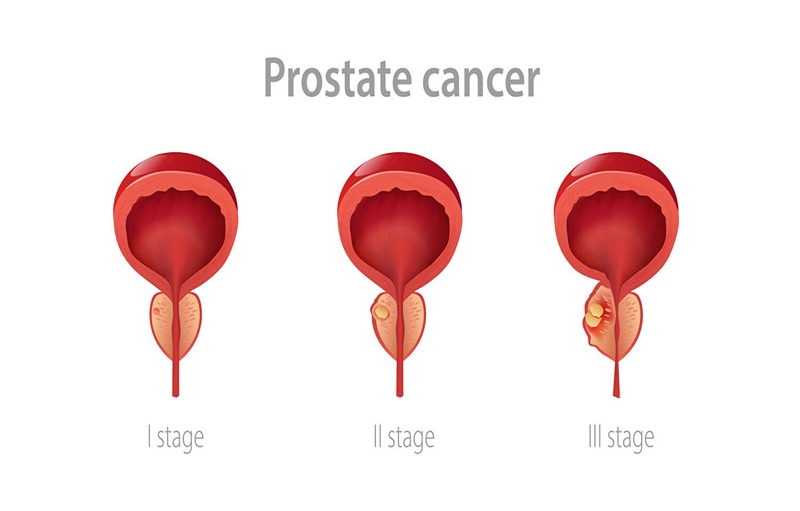
Stages of Prostate Cancer

Staging helps decide treatment:

  • Stage I & II – Cancer is confined to the prostate.
  • Stage III – Cancer has spread beyond the prostate to nearby tissues.
  • Stage IV – Cancer has spread to lymph nodes, bones, or other organs.

Treatment Options

Treatment depends on cancer stage, age, and overall health:

  • Active Surveillance – Monitoring slow-growing cancers.
  • Surgery – Removing the prostate (prostatectomy).
  • Radiation Therapy – Using high-energy rays to kill cancer cells.
  • Hormone Therapy – Lowering testosterone to slow cancer growth.
  • Chemotherapy – For advanced stages.
  • Targeted Therapy & Immunotherapy – Newer options for specific cases.

Prevention & Healthy Living

While you can’t change your age or genetics, you can reduce risk by:

  • Eating a balanced diet rich in fruits, vegetables, and whole grains.
  • Maintaining a healthy weight.
  • Exercising regularly.
  • Limiting red and processed meats.
  • Getting regular check-ups after age 50 (or earlier if high risk).

Final Thought

Prostate cancer is highly treatable when detected early. Awareness, regular screening, and a healthy lifestyle can make a huge difference. Men should talk openly with their doctors about their risk factors and the pros and cons of screening.

Early Check, Long Life – Beat Prostate Cancer Before It Starts.

Tags:


You Might Also Like