03-Sat-Oct-2026


|
 Author :
Dr. Sheikh Jeelani
/
BNYS | FTECH
Author :
Dr. Sheikh Jeelani
/
BNYS | FTECH
How to Build a Sustainable Weight-Loss Diet
Losing weight is not just about eating less — it’s about eating smart. Many people start their weight-loss journey full of motivation but soon find themselves trapped in crash diets, restrictive eating, or unrealistic goals. The result? Temporary success followed by frustration and weight regain.
The real secret lies in building a sustainable weight-loss diet — one that supports your health, fits your lifestyle, and delivers long-term results. Let’s break it down.
1. Focus on Balance, Not Deprivation
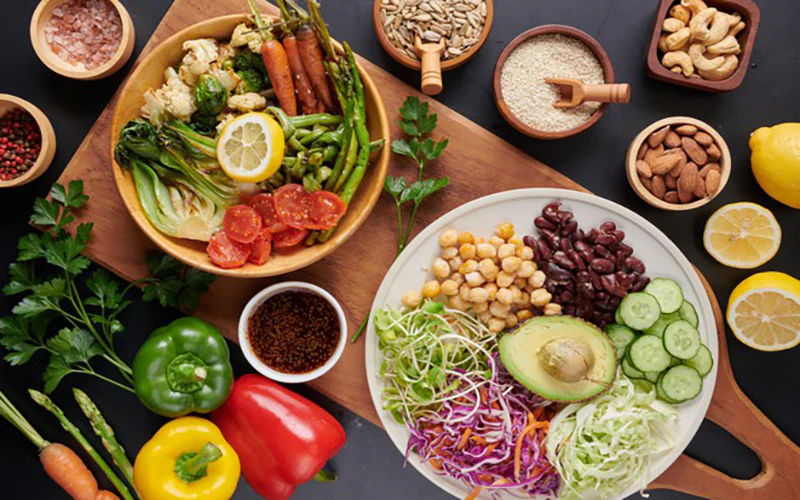
Sustainability starts with balance. Your diet should include all essential food groups — carbohydrates, proteins, and healthy fats — in the right proportions.
Carbs: Choose complex sources like oats, brown rice, quinoa, or sweet potatoes.
Proteins: Include lean sources such as chicken, fish, eggs, tofu, beans, and lentils.
Fats: Opt for good fats from nuts, seeds, olive oil, and avocados.
Avoid cutting out entire food groups — your body needs them all to function properly.
2. Understand Your Caloric Needs
Weight loss happens when you burn more calories than you consume, but drastic calorie restriction is a recipe for burnout.
Calculate your Total Daily Energy Expenditure (TDEE) and aim for a modest calorie deficit — about 500 calories less than your maintenance. This allows for steady, healthy weight loss of 0.5–1 kg per week without harming your metabolism.
3. Prioritize Protein and Fiber
Protein and fiber are your best friends for sustainable weight loss.
Protein helps preserve muscle mass and keeps you feeling full.
Fiber slows digestion, curbing cravings and promoting gut health.
Include high-fiber foods like vegetables, whole grains, and fruits in every meal. Combine them with protein to stay satisfied longer.
4. Practice Portion Control
Even healthy foods can lead to weight gain if eaten in excess. Learn to control your portions by:
Using smaller plates
Eating mindfully (no phones or TV)
Listening to your hunger cues
A good tip: fill half your plate with vegetables, one-quarter with protein, and one-quarter with whole grains or starchy foods.
5. Hydrate Smartly
Sometimes, thirst masquerades as hunger. Drinking enough water — around 2–3 liters daily — not only supports metabolism but also helps reduce unnecessary snacking.
Avoid sugary beverages and limit alcohol, which adds empty calories.
6. Plan Ahead and Meal Prep
Sustainable diets thrive on consistency.
Plan your meals weekly.
Prep ingredients in advance.
Carry healthy snacks like nuts or fruits to avoid junk food temptations.
This small habit prevents impulsive eating and keeps your diet on track.
7. Allow Flexibility and Treats
A sustainable diet doesn’t mean perfection. Occasional indulgences — a slice of pizza or a piece of cake — are totally fine.
The key is moderation. When you enjoy food without guilt, you’re more likely to stay committed long term.
8. Combine Nutrition with Movement
Diet alone can start your journey, but pairing it with regular physical activity makes it more effective.
Aim for at least 150 minutes of moderate exercise per week — whether it’s brisk walking, cycling, or strength training. Exercise helps maintain muscle, boosts metabolism, and uplifts mood.
9. Monitor Progress, Not Obsession
Track your meals, workouts, and changes in how you feel — but don’t obsess over the scale.
Non-scale victories like improved energy, better sleep, and glowing skin are signs that your body is responding well to your efforts.
10. Think Long-Term
Ask yourself, “Can I eat like this for the next year?” If the answer is no, it’s not sustainable.
A long-term approach helps you build healthy habits that become part of your lifestyle — not just a temporary fix.
Conclusion
A sustainable weight-loss diet is not about quick fixes — it’s about balance, patience, and consistency. By nourishing your body with whole foods, staying active, and allowing flexibility, you can achieve your goals without feeling restricted.
Remember: It’s not about being perfect; it’s about being consistent. Small, steady changes lead to lifelong success.
|
|










|