Dysentery: Causes, Symptoms, and Prevention
What is Dysentery?
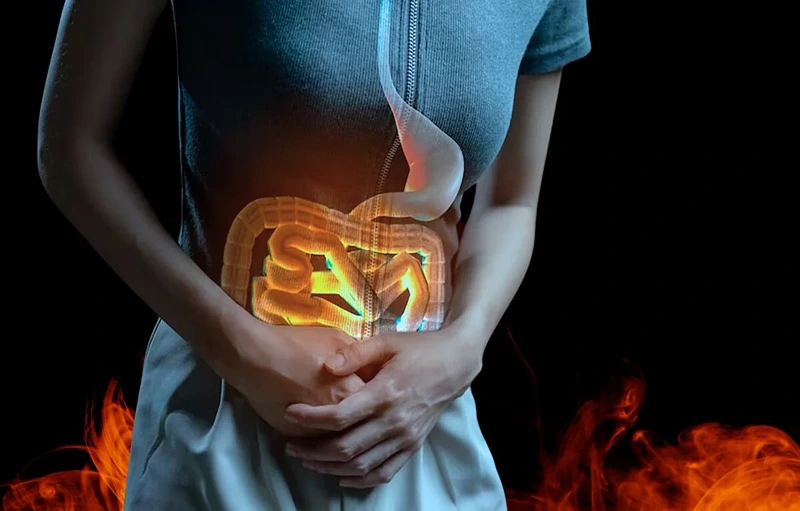
Dysentery is a gastrointestinal disorder marked by intense diarrhoea, typically accompanied by the presence of blood and mucus in the stool. This condition is often indicative of inflammation within the intestines, particularly affecting the colon. It can cause significant discomfort and distress to those affected.
What are the Symptoms of Dysentery?
Symptoms of dysentery can vary depending on the underlying cause (such as bacterial, parasitic, or viral infection), but common symptoms may include:
- Severe diarrhoea: Dysentery is characterised by frequent, loose stools that may contain blood and mucus. The diarrhoea is often more severe than typical diarrhoea and may be accompanied by a strong urgency to defecate.
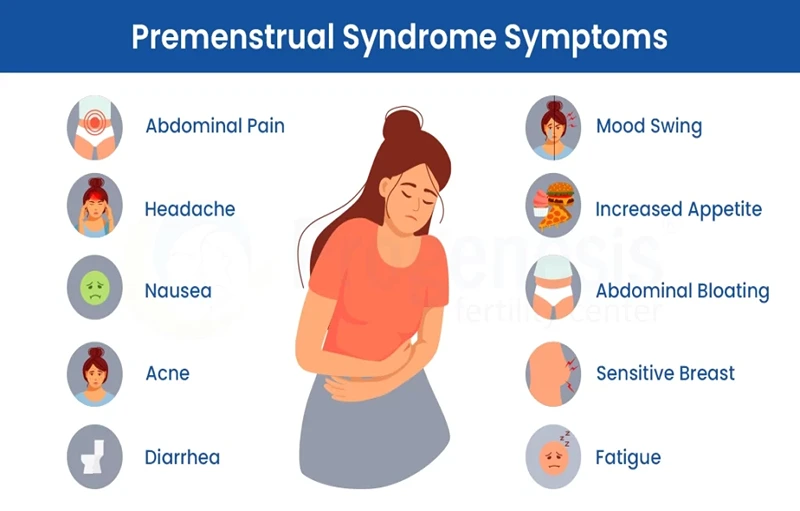
- Abdominal pain and cramps: Patients with dysentery often experience abdominal discomfort, including cramping, pain, and a feeling of bloating.
- Fever: Many people with dysentery develop a fever, which may range from mild to high-grade, depending on the severity of the infection.
- Nausea and vomiting: Some individuals with dysentery may experience nausea and vomiting, which can contribute to dehydration.
- Dehydration: The persistent diarrhoea associated with dysentery can lead to dehydration, characterised by symptoms such as dry mouth, decreased urine output, thirst, and lightheadedness.
- Fatigue: Dysentery can cause weakness and fatigue due to dehydration and the body's efforts to fight off the infection.
- Tenesmus: This is a sensation of incomplete bowel movement or a constant urge to pass stools even when the rectum is empty. It is a common symptom of dysentery.
What are the Causes of Dysentery?
Dysentery can be caused by various factors, including bacterial, parasitic, or viral infections. Here are the main causes:
- Bacterial infections: The most common cause of dysentery is bacterial infections. Bacteria such as Shigella species (which cause shigellosis), Campylobacter species, and certain strains of Escherichia coli (E. coli) can lead to dysentery. These bacteria are typically transmitted through contaminated food, water, or direct contact with infected individuals.
- Parasitic infections: Dysentery can also be caused by parasitic infections, particularly by the protozoan parasite Entamoeba histolytica. This type of dysentery, known as amoebic dysentery or amoebiasis, is more prevalent in tropical regions with poor sanitation and contaminated water sources.
- Viral infections: While extreme and rare certain viral infections can also cause dysentery. Viruses such as rotavirus and norovirus can lead to gastroenteritis with symptoms similar to dysentery, including diarrhoea, abdominal cramps, and nausea.
How is Dysentery Treated?
The treatment for dysentery depends on the underlying cause (bacterial, parasitic, or viral) and the severity of symptoms. Here are some general measures that may help in treating dysentery:
- Fluid replacement: Rehydration is crucial in managing dysentery, especially if diarrhoea is severe and there is a risk of dehydration. Drinking plenty of fluids, such as water, oral rehydration solutions (ORS), clear broths, and electrolyte-rich drinks, can help replace lost fluids and electrolytes. Intravenous fluids may be necessary in severe cases.
- Antibiotics or antiparasitic medications: If dysentery is caused by bacterial infection, antibiotics such as azithromycin, ciprofloxacin, or trimethoprim/sulfamethoxazole may be prescribed to target the specific bacteria responsible. For amoebic dysentery caused by Entamoeba histolytica, antiparasitic medications such as metronidazole or tinidazole are commonly used.
- Symptomatic relief: Over-the-counter medications such as loperamide (Imodium) may be used to help control diarrhoea and reduce frequency of bowel movements. However, these medications should be used cautiously and only under medical supervision, as they can sometimes worsen certain types of dysentery.
- Rest and nutrition: Adequate rest and a bland diet may help alleviate symptoms and support recovery. Avoiding spicy, fatty, or difficult-to-digest foods can help minimise irritation to the inflamed intestines. Gradually reintroducing solid foods as tolerated is important to ensure adequate nutrition.
How to Prevent Dysentery?
Preventing dysentery involves practising good hygiene and taking precautions to avoid exposure to the pathogens that cause the condition. Here are some effective preventive measures:
- Handwashing: Wash hands thoroughly with soap and water, especially after using the toilet, changing diapers, and before handling food or eating. Proper handwashing is one of the most effective ways to prevent the spread of dysentery-causing pathogens.
- Safe food and water practices: Ensure that food is cooked thoroughly, especially meat, poultry, and seafood. Avoid consuming raw or undercooked foods, unpasteurized dairy products, and untreated water from potentially contaminated sources. Drink safe and clean water, including bottled water or water that has been boiled or treated with chlorine or iodine tablets.
- Practise good personal hygiene: Avoid close contact with individuals who have symptoms of dysentery, and do not share personal items such as towels, utensils, or food with them.
- Sanitation: Maintain clean and sanitary living conditions, including properly disposing of human waste and sewage, and ensuring that toilets and sanitation facilities are properly constructed and maintained.
- Travel precautions: If travelling to areas with a higher risk of dysentery, take precautions to ensure food and water safety, such as consuming only bottled or purified water, avoiding street food, and practising good hand hygiene.
- Vaccination: In some cases, vaccines may be available to prevent certain types of dysentery. For example, vaccines are available for some strains of Shigella bacteria.
- Proper food handling: Follow safe food handling practices, such as washing fruits and vegetables thoroughly before consumption, storing food at the appropriate temperature, and avoiding cross-contamination between raw and cooked foods.




 Author :
Dr. Sheikh Jeelani
/
BNYS | FTECH
Author :
Dr. Sheikh Jeelani
/
BNYS | FTECH