30-Fri-Oct-2026


|
 Author :
Dr. Sheikh Jeelani
/
BNYS | FTECH
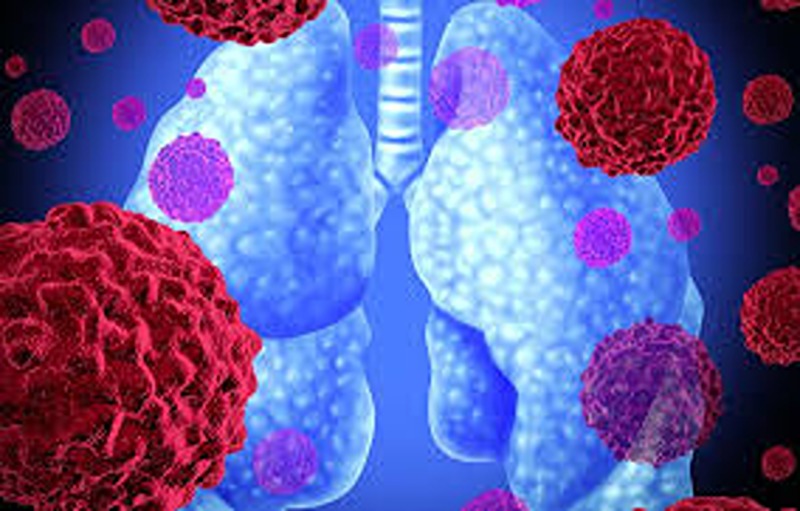
Lung cancer is one of the most common and serious types of cancer worldwide, affecting millions of people every year. It occurs when abnormal cells in the lungs grow uncontrollably, forming tumors that interfere with normal lung function. If left untreated, it can spread (metastasize) to other parts of the body, making early detection and treatment crucial.
What is Lung Cancer?
Lung cancer begins in the lungs, which are vital organs responsible for bringing oxygen into the body and removing carbon dioxide. The disease develops when lung cells are damaged (often due to harmful substances like tobacco smoke) and begin to grow in an abnormal and uncontrolled way.
There are two main types of lung cancer:
2. Small Cell Lung Cancer (SCLC): Less common but more aggressive, spreading faster than NSCLC.
Causes and Risk Factors
Several factors increase the risk of lung cancer:
Symptoms of Lung Cancer
In the early stages, lung cancer often shows no symptoms, which is why it’s sometimes detected late. As it develops, common symptoms include:
Diagnosis
Doctors use several tests to diagnose lung cancer:
Treatment Options
The choice of treatment depends on the type, stage, and overall health of the patient. Options include:
Prevention and Lifestyle Changes
While not all cases can be prevented, reducing risk is possible:
Conclusion
Lung cancer remains one of the leading causes of cancer deaths globally, but advances in early detection and modern treatments are improving survival rates. The best defense is prevention, especially avoiding smoking and minimizing exposure to environmental risks. Awareness, regular checkups, and timely medical consultation can make a life-saving difference.
|
|










|