29-Wed-Jul-2026


|
 Author :
Dr. Sheikh Jeelani
/
BNYS | FTECH
Author :
Dr. Sheikh Jeelani
/
BNYS | FTECH
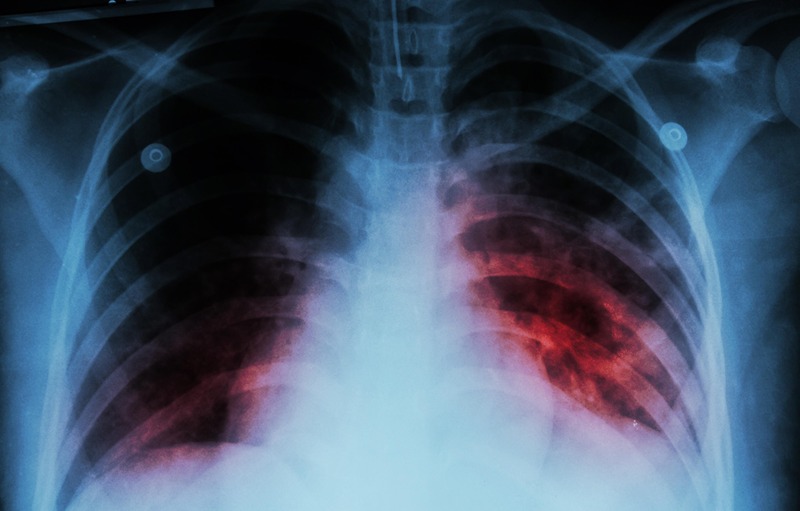
Tuberculosis, commonly known as TB, is one of the oldest diseases known to humanity, yet it remains a major public health challenge even today. Caused by the bacterium Mycobacterium tuberculosis, TB primarily affects the lungs but can also spread to other organs such as the brain, kidneys, and spine. Despite advances in medicine, TB continues to claim millions of lives worldwide every year.
What is Tuberculosis?
Tuberculosis is a contagious infection that spreads through the air when a person with active TB coughs, sneezes, or speaks. Unlike the common cold, TB bacteria are more stubborn and can linger in the air for several hours, making it easier for others to breathe them in.
TB exists in two forms:
Symptoms of Tuberculosis
The symptoms of active TB usually appear gradually and can often be mistaken for other illnesses. Common signs include:
Causes and Risk Factors
While TB spreads mainly through airborne droplets, not everyone who inhales the bacteria develops the disease. The risk increases if a person has:
Diagnosis of Tuberculosis
Doctors use several tests to diagnose TB, including:
Treatment of Tuberculosis
TB is treatable and curable, but it requires strict medical supervision. The standard treatment involves a combination of antibiotics (such as isoniazid, rifampicin, pyrazinamide, and ethambutol) for at least 6 months.
One of the biggest challenges in TB treatment is drug resistance. If patients stop taking their medicines early, the bacteria become resistant, leading to multi-drug-resistant TB (MDR-TB), which is much harder and costlier to treat.
Prevention of Tuberculosis
Preventing TB requires a collective effort:
Conclusion
Tuberculosis is not just a medical issue—it is also a social and economic challenge. With awareness, timely treatment, and preventive care, TB can be controlled and eventually eliminated. Every individual has a role to play in breaking the chain of infection and supporting those affected by this silent killer.
|
|







|